Top 3 Platforms for Creative Arts Online Degrees
Discover the best online platforms offering degree programs in creative arts for aspiring artists and designers. Compare top choices for digital art, graphic design, and animation degrees.

Discover the best online platforms offering degree programs in creative arts for aspiring artists and designers. Compare top choices for digital art, graphic design, and animation degrees.
Top 3 Platforms for Creative Arts Online Degrees
Are you an aspiring artist, designer, or animator looking to hone your craft and earn a recognized degree without the constraints of a traditional campus? The world of online education has opened up incredible opportunities for creative individuals, allowing you to learn from industry professionals, build a robust portfolio, and connect with a global community, all from the comfort of your home. But with so many options out there, how do you choose the right platform for your creative arts online degree? This comprehensive guide will walk you through the top three platforms, comparing their offerings, highlighting their unique strengths, and providing insights into their costs and suitability for different creative paths.
Exploring Online Creative Arts Degrees What to Look For
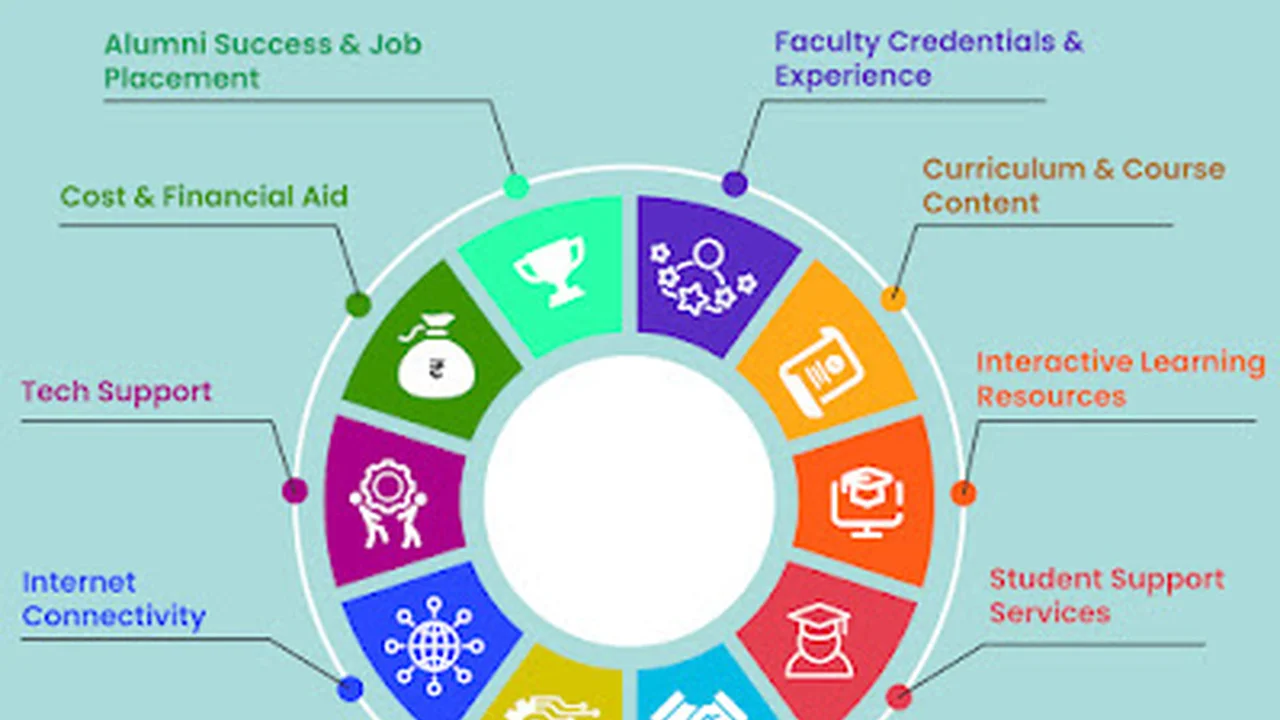
Before diving into specific platforms, it's crucial to understand what makes an online creative arts degree truly valuable. Unlike some academic fields, creative arts degrees heavily rely on practical application, portfolio development, and peer feedback. Therefore, when evaluating platforms, consider these key factors:
- Accreditation: Ensure the institution offering the degree is regionally or nationally accredited. This guarantees the quality of education and the recognition of your degree by employers and other academic institutions.
- Curriculum and Specializations: Does the program offer the specific creative discipline you're interested in (e.g., graphic design, animation, digital illustration, game art, photography)? Look for a curriculum that is up-to-date with industry standards and offers relevant software training.
- Faculty Expertise: Who are the instructors? Do they have real-world industry experience and a strong portfolio? Learning from active professionals is invaluable in the creative fields.
- Portfolio Development: A strong portfolio is your calling card in the creative industry. The program should emphasize and facilitate the creation of a professional-grade portfolio.
- Technology and Software Access: Creative arts often require specialized software (Adobe Creative Suite, Autodesk Maya, ZBrush, etc.). Does the platform provide access to these tools, or are they an additional cost?
- Community and Networking: Online learning can sometimes feel isolating. Look for platforms that foster a strong online community, offering opportunities for peer feedback, collaboration, and networking with fellow students and alumni.
- Career Services: Does the institution offer career support, such as portfolio reviews, job placement assistance, or industry connections?
- Flexibility and Pacing: Online degrees are chosen for their flexibility. Understand the program's structure – is it self-paced, cohort-based, or a hybrid?
- Cost and Financial Aid: Tuition fees can vary significantly. Investigate scholarships, grants, and payment plans available.
Platform 1 Full Sail University Online Creative Arts Programs
Full Sail University, based in Winter Park, Florida, has a long-standing reputation for its entertainment and media-focused education. While they have a physical campus, their online division offers a robust selection of creative arts degrees, making them a top contender for aspiring digital artists, animators, and game developers. Full Sail's approach is highly project-based, mirroring real-world production environments.
Full Sail University Online Degree Offerings and Specializations
Full Sail offers a wide array of online bachelor's and master's degrees in creative fields. Some of their most popular and highly-regarded programs include:
- Bachelor of Science in Computer Animation: This program covers everything from 3D modeling and character rigging to animation principles and visual effects. Students learn industry-standard software like Autodesk Maya, ZBrush, and Adobe Substance Painter.
- Bachelor of Science in Game Art: Focused on the visual aspects of game development, this degree teaches students to create characters, environments, and assets for video games using tools like Unreal Engine and Unity.
- Bachelor of Science in Graphic Design: This program delves into branding, typography, web design, and user experience (UX) design, utilizing the Adobe Creative Suite extensively.
- Bachelor of Science in Digital Cinematography: For those interested in filmmaking, this degree covers pre-production, production, and post-production techniques, including editing with Adobe Premiere Pro and visual effects with After Effects.
- Master of Fine Arts in Media Design: A graduate-level program for designers looking to advance their skills in strategic design, branding, and creative leadership.
Full Sail University Learning Experience and Technology
Full Sail's online learning platform is designed to be immersive and interactive. They often provide students with a 'Project LaunchBox,' which includes a powerful laptop pre-loaded with professional software relevant to their degree program. This ensures all students have access to the necessary tools from day one. The curriculum is fast-paced, with courses typically lasting one month, allowing students to complete their bachelor's degree in about 20 months. This accelerated format is ideal for highly motivated individuals. Instructors are often industry veterans, bringing real-world insights and connections to the virtual classroom. Feedback on projects is a cornerstone of their educational model, helping students refine their skills and build a strong portfolio.
Full Sail University Cost and Career Prospects
Tuition at Full Sail University can be higher than some other institutions, reflecting their specialized curriculum and technology offerings. A Bachelor of Science degree can range from approximately $70,000 to $90,000 for the entire program, depending on the specific degree and any scholarships or grants. They do offer various financial aid options, including federal student aid, scholarships, and payment plans. Full Sail has a strong alumni network and dedicated career services department that assists graduates with portfolio reviews, job search strategies, and industry connections. Graduates often find roles in animation studios, game development companies, marketing agencies, and film production houses.
Platform 2 Southern New Hampshire University SNHU Online Creative Arts
Southern New Hampshire University (SNHU) is a non-profit, accredited institution renowned for its extensive online degree programs, including a growing portfolio in the creative arts. SNHU offers a more traditional academic structure compared to Full Sail, with a focus on foundational knowledge combined with practical application. Their programs are particularly well-suited for students seeking flexibility and a broader liberal arts foundation alongside their creative studies.
SNHU Online Creative Arts Degree Programs and Concentrations
SNHU provides a range of online bachelor's and master's degrees in creative fields, often with multiple concentrations to choose from:
- Bachelor of Arts in Graphic Design: This program offers concentrations in 3D Modeling and Animation, Digital Photography, and Web Design. It covers principles of design, visual communication, and industry-standard software like Adobe Photoshop, Illustrator, and InDesign.
- Bachelor of Arts in Game Art and Development: This degree focuses on the artistic and technical skills required for game creation, including character design, environment art, and game engine integration.
- Bachelor of Arts in Digital Photography: Students learn photographic techniques, digital image manipulation, and portfolio development for various photographic careers.
- Master of Arts in Communication with a concentration in New Media: While not strictly a 'creative arts' degree, this program is excellent for those looking to blend creative content creation with strategic communication, focusing on digital storytelling and media production.
SNHU Online Learning Environment and Support
SNHU's online platform is known for its user-friendliness and robust student support. Courses are typically 8 weeks long, allowing for a more manageable pace than accelerated programs. They utilize a learning management system (LMS) like Brightspace, providing access to course materials, discussion forums, and assignment submissions. SNHU emphasizes a strong sense of community, with opportunities for peer interaction and direct communication with instructors. They also offer extensive academic support, including online tutoring, writing centers, and library resources. While SNHU doesn't typically provide software bundles, they often offer student discounts on necessary creative software.
SNHU Cost and Career Opportunities
SNHU is generally more affordable than specialized art schools, making it an attractive option for budget-conscious students. A Bachelor of Arts degree can cost approximately $38,000 to $50,000 for the entire program. They accept a wide range of transfer credits, which can further reduce the overall cost and time to completion. SNHU offers various financial aid options, including federal aid, military benefits, and institutional scholarships. Graduates from SNHU's creative arts programs are well-prepared for roles in graphic design agencies, marketing departments, web development firms, and game studios. Their career services department provides resume building, interview preparation, and job search assistance.
Platform 3 Academy of Art University Online Creative Degrees
The Academy of Art University, based in San Francisco, is one of the largest private art and design schools in the United States, with a significant and well-established online division. They offer a vast array of creative arts degrees, from traditional fine arts to cutting-edge digital media. The Academy of Art is known for its industry-focused curriculum and faculty who are often working professionals in their respective fields.
Academy of Art University Online Degree Programs and Disciplines
The Academy of Art University boasts an impressive catalog of online degrees, covering nearly every creative discipline imaginable. Some of their standout online programs include:
- Bachelor of Fine Arts (BFA) in Animation & Visual Effects: This comprehensive program covers 2D animation, 3D animation, stop motion, visual effects, and motion graphics. Students learn software like Autodesk Maya, Nuke, and Houdini.
- BFA in Graphic Design: With a focus on practical application, this degree covers branding, advertising, packaging, web design, and UI/UX design using the Adobe Creative Suite.
- BFA in Game Development: This program offers specializations in Game Art, Game Design, and Game Programming, providing a holistic approach to game creation.
- BFA in Illustration: For aspiring illustrators, this degree covers traditional and digital illustration techniques, concept art, and character design.
- BFA in Web Design & New Media: This program focuses on responsive web design, interactive media, and user experience (UX) principles.
- Master of Fine Arts (MFA) degrees: They offer MFA programs in most of their BFA disciplines, allowing for advanced specialization and portfolio development.
Academy of Art University Online Learning Experience and Resources
The Academy of Art University's online platform is designed to replicate the studio environment of a traditional art school. They emphasize hands-on projects, critical feedback, and portfolio development. Students have access to a dedicated online portal with course materials, video lectures, and submission tools. Instructors provide personalized feedback on assignments, often through video critiques. The university also offers extensive online resources, including a digital library, technical support, and career services. They often provide access to industry-standard software through student licenses or virtual labs. The pacing can be flexible, with options for full-time or part-time study.
Academy of Art University Cost and Industry Connections
As a specialized art and design institution, the Academy of Art University's tuition is comparable to other private art schools. A Bachelor of Fine Arts degree can range from approximately $80,000 to $100,000 for the entire program. They offer various financial aid options, including federal aid, scholarships, and payment plans. One of the significant advantages of the Academy of Art is its strong industry connections, particularly in the San Francisco Bay Area and Hollywood. Their career services department actively works to connect students and alumni with internships and job opportunities at leading creative companies. Graduates often find employment in animation studios (e.g., Pixar, DreamWorks), game companies (e.g., Electronic Arts, Blizzard), design agencies, and film production houses.
Comparing the Top Creative Arts Online Degree Platforms
Let's put these three excellent platforms side-by-side to help you make an informed decision for your creative arts education.
Curriculum Focus and Specializations Comparison
- Full Sail University: Highly specialized in entertainment and media. Best for those focused on digital animation, game art, digital cinematography, and specific graphic design applications within these industries. Accelerated, project-heavy curriculum.
- SNHU: Broader academic foundation with creative arts specializations. Excellent for graphic design, game art, and digital photography, often with a more traditional academic pace. Good for students who want a balance of creative and general education.
- Academy of Art University: Most comprehensive range of creative disciplines, from traditional fine arts to cutting-edge digital media. Ideal for students who want a deep dive into a specific art form with strong industry ties.
Learning Environment and Flexibility Comparison
- Full Sail University: Accelerated, immersive, and project-based. Best for self-starters who thrive in a fast-paced, industry-simulated environment. Less flexibility in pacing due to the cohort structure.
- SNHU: Flexible, 8-week terms, allowing for part-time or full-time study. User-friendly LMS and strong academic support. Good for working professionals or those balancing other commitments.
- Academy of Art University: Studio-centric approach with personalized feedback. Offers flexibility in pacing (full-time/part-time) and a wide range of course offerings.
Technology Software and Tools Access Comparison
- Full Sail University: Often provides a 'Project LaunchBox' with a powerful laptop and pre-loaded software, ensuring immediate access to industry-standard tools.
- SNHU: Typically requires students to acquire their own software but often provides student discounts. Focuses on teaching concepts applicable across various software.
- Academy of Art University: Provides access to industry-standard software through student licenses or virtual labs, ensuring students are proficient with professional tools.
Cost and Financial Aid Comparison
- Full Sail University: Higher tuition due to specialized nature and technology provision (approx. $70,000-$90,000 for a BS). Offers federal aid and institutional scholarships.
- SNHU: More affordable (approx. $38,000-$50,000 for a BA). Strong on transfer credits and various financial aid options, including military benefits.
- Academy of Art University: Mid-to-high range tuition (approx. $80,000-$100,000 for a BFA). Offers federal aid, scholarships, and payment plans.
Career Services and Industry Connections Comparison
- Full Sail University: Strong career services with a focus on entertainment and media industries. Good alumni network.
- SNHU: Comprehensive career services applicable to a broader range of industries.
- Academy of Art University: Excellent industry connections, especially in film, animation, and design hubs. Strong career support and alumni network.
Specific Software and Tools for Creative Arts Online Degrees
Regardless of the platform you choose, proficiency in certain software and tools is paramount for success in creative arts. Here's a breakdown of essential tools and their typical pricing, though student discounts are often available:
Adobe Creative Cloud Essential for Graphic Design and Digital Art
The Adobe Creative Cloud suite is the industry standard for graphic design, digital illustration, photo editing, and video production. Most creative arts programs will require proficiency in several of these applications.
- Adobe Photoshop: For image manipulation, digital painting, and photo retouching.
- Adobe Illustrator: For vector graphics, logos, and scalable illustrations.
- Adobe InDesign: For page layout, print design, and digital publishing.
- Adobe Premiere Pro: For video editing.
- Adobe After Effects: For motion graphics and visual effects.
- Adobe XD: For UI/UX design and prototyping.
Pricing: A full Adobe Creative Cloud subscription typically costs around $54.99/month for individuals. However, students and teachers can often get a discounted rate of approximately $19.99/month for the first year, then $29.99/month. Some universities may include access or provide further discounts.
Autodesk Maya and ZBrush For 3D Animation and Game Art
For 3D artists, animators, and game developers, these tools are indispensable.
- Autodesk Maya: The industry-leading software for 3D modeling, animation, rigging, and rendering. Used extensively in film, TV, and game production.
- ZBrush (Pixologic): A powerful digital sculpting tool for creating highly detailed 3D models, often used for characters and organic forms.
Pricing: Autodesk Maya is very expensive for commercial use (around $1,700/year). However, Autodesk offers free educational licenses for students and educators, which is a huge benefit. ZBrush costs a one-time fee of around $895, but a student version or educational discount might be available through your institution.
Unreal Engine and Unity Game Development Platforms
These are the two dominant game engines used for creating interactive 3D experiences, from video games to architectural visualizations.
- Unreal Engine (Epic Games): Known for its high-fidelity graphics and powerful toolset, widely used in AAA game development and virtual production.
- Unity (Unity Technologies): More accessible for beginners and indie developers, used for a wide range of games, VR/AR experiences, and simulations.
Pricing: Both Unreal Engine and Unity offer free versions for individual creators and small teams, with revenue-sharing models or subscription tiers kicking in once projects reach a certain commercial success threshold. Educational licenses are also widely available.
Wacom Tablets For Digital Drawing and Painting
A graphics tablet is essential for any digital artist, providing a natural drawing experience that a mouse cannot replicate.
- Wacom Intuos: A popular entry-level option, offering pressure sensitivity and customizable express keys. Prices range from $79 to $199 depending on size and features.
- Wacom Cintiq/Pro: Pen display tablets where you draw directly on the screen. These are professional-grade tools, with prices starting around $650 for smaller models and going up to several thousand for larger, more advanced versions.
Pricing: Varies significantly by model. An Intuos Medium is a great starting point at around $199. A Cintiq 16 is a good professional entry at about $650.
Choosing Your Path The Right Creative Arts Online Degree for You
The 'best' platform for a creative arts online degree ultimately depends on your individual goals, learning style, and budget. If you're looking for an accelerated, industry-focused program with a strong emphasis on digital entertainment, Full Sail University might be your ideal choice. If you prefer a more traditional academic structure with flexibility and a broader foundation, SNHU offers excellent options. For those seeking a vast array of specialized creative disciplines with deep industry connections, the Academy of Art University stands out.
Consider your desired specialization: Are you passionate about character animation, brand identity, or game environment art? Research the specific curriculum of each program to ensure it aligns with your artistic vision. Look at the faculty's portfolios and professional backgrounds. Engage with current students or alumni if possible to get a firsthand perspective on the learning experience.
Remember, an online creative arts degree is an investment in your future. It requires dedication, self-discipline, and a genuine passion for your craft. By carefully evaluating these top platforms and understanding their unique strengths, you can confidently choose the online degree program that will empower you to unleash your creativity and build a successful career in the dynamic world of art and design.
Building Your Creative Portfolio Online Strategies and Tools
Beyond your degree, your online portfolio is the single most important tool for showcasing your skills and securing employment in the creative industries. An online degree program should heavily emphasize portfolio development, but you'll also need to actively manage and curate it yourself. Here are some strategies and recommended platforms:
Portfolio Platforms for Creative Professionals
- ArtStation: Indispensable for 3D artists, animators, game artists, and concept artists. It's a professional network and portfolio site where industry recruiters actively look for talent. It's free to create a basic portfolio, with Pro subscriptions offering more features.
- Behance (Adobe): A widely used platform for graphic designers, illustrators, photographers, and UI/UX designers. It's integrated with Adobe Creative Cloud, making it easy to upload projects. Free to use.
- Dribbble: Popular among UI/UX designers, illustrators, and graphic designers for sharing 'shots' (small snippets of work). It's more community-focused and great for getting quick feedback. Free for basic accounts, Pro for advanced features.
- Personal Website/Portfolio Builder: For ultimate control and customization, building your own website using platforms like Squarespace, Wix, or WordPress (with a portfolio theme) is highly recommended. This allows you to brand yourself uniquely and present your work exactly as you envision it.
Tips for an Effective Online Creative Portfolio
- Quality Over Quantity: Only include your absolute best work. A few strong pieces are better than many mediocre ones.
- Tailor to Your Niche: If you want to be a character artist, your portfolio should be dominated by character art. If you want to be a brand designer, showcase branding projects.
- Showcase Process: Don't just show the final product. Include sketches, wireframes, mood boards, and iterations to demonstrate your problem-solving skills and creative process.
- Context is Key: For each project, explain your role, the challenge, your solution, and the tools you used.
- High-Quality Images/Videos: Ensure your work is presented beautifully with clear, well-lit images or high-resolution video reels.
- Easy Navigation: Make it simple for recruiters to find what they're looking for. Organize your work logically.
- Contact Information: Clearly display your contact details and links to your professional social media (LinkedIn).
- Get Feedback: Share your portfolio with peers, mentors, and career advisors for constructive criticism before sending it out to potential employers.
Networking and Community in Online Creative Arts Education
While online learning offers flexibility, it's crucial not to overlook the importance of networking and community building. These aspects are vital for creative professionals, leading to collaborations, mentorships, and job opportunities.
Strategies for Online Networking
- Engage in Course Forums: Actively participate in discussions, offer constructive feedback to peers, and ask questions. This builds rapport with classmates and instructors.
- Join Professional Online Communities: Beyond your university's platform, join Discord servers, Facebook groups, or Reddit communities dedicated to your specific creative field (e.g., 'Game Art Community,' 'Graphic Design Forum').
- Attend Virtual Workshops and Conferences: Many industry events now offer online attendance. These are excellent opportunities to learn new skills, hear from industry leaders, and network with other professionals.
- Utilize LinkedIn: Connect with classmates, instructors, alumni, and professionals in your desired industry. Share your work and engage with relevant content.
- Collaborate on Personal Projects: Propose or join collaborative projects with fellow students. This not only strengthens your portfolio but also builds teamwork skills and expands your network.
- Seek Mentorship: Don't be afraid to reach out to professionals whose work you admire. A polite, well-crafted message asking for advice or a brief informational interview can open doors.
Benefits of an Online Creative Community
- Peer Feedback: Getting diverse perspectives on your work is invaluable for growth.
- Motivation and Accountability: A supportive community can keep you motivated and accountable for your progress.
- Skill Sharing: Learn new techniques and software tips from your peers.
- Job Referrals: Many creative jobs are found through networking and referrals.
- Emotional Support: Online learning can be challenging; a community provides a space to share experiences and support each other.
Embracing the online community aspect of your creative arts degree will significantly enhance your learning experience and future career prospects. It transforms a solitary learning journey into a collaborative and enriching adventure.
The Future of Online Creative Arts Education Trends and Innovations
The landscape of online creative arts education is constantly evolving, driven by technological advancements and changing industry demands. Here are some trends and innovations to watch for:
Emerging Technologies in Creative Learning
- Virtual Reality (VR) and Augmented Reality (AR) Classrooms: Imagine attending a 3D modeling class in a virtual studio, interacting with models as if they were physically present. VR/AR could revolutionize hands-on creative learning.
- AI-Powered Feedback and Tools: Artificial intelligence is already assisting artists with tasks like image generation and style transfer. In education, AI could provide instant, personalized feedback on design principles, composition, or even animation timing.
- Interactive 3D Learning Environments: Beyond traditional video lectures, expect more interactive 3D environments where students can explore virtual galleries, dissect 3D models, or participate in simulated production pipelines.
- Cloud-Based Workflows: The increasing reliance on cloud computing means students can access powerful software and collaborate on projects from any device, without needing high-end local hardware.
Personalized Learning Paths and Micro-Credentials
- Adaptive Learning: AI and data analytics will increasingly tailor learning paths to individual student needs, strengths, and weaknesses, optimizing the educational experience.
- Micro-Credentials and Badges: Beyond full degrees, expect a rise in specialized micro-credentials and digital badges that validate specific skills (e.g., 'Unreal Engine Lighting Specialist,' 'Advanced Character Rigging'). These allow for more flexible and targeted skill development.
- Competency-Based Education (CBE): This model focuses on demonstrating mastery of skills rather than seat time. It's particularly well-suited for creative fields where portfolio and practical ability are paramount.
Global Collaboration and Diverse Perspectives
- International Partnerships: Online platforms facilitate collaborations between institutions and students across different countries, fostering diverse perspectives and global creative projects.
- Cross-Cultural Design Challenges: Expect more opportunities for students to work on projects with international teams, addressing global design challenges and understanding diverse cultural contexts.
These trends suggest an even more dynamic, personalized, and globally connected future for online creative arts education. Staying abreast of these developments will ensure your skills remain relevant and competitive in the ever-evolving creative industries.
Final Thoughts on Your Creative Arts Online Degree Journey
Embarking on an online creative arts degree is an exciting and transformative journey. It offers unparalleled flexibility, access to expert instructors, and the opportunity to build a professional portfolio that will launch your career. Whether you choose the accelerated, industry-focused path of Full Sail, the flexible and academically robust approach of SNHU, or the comprehensive, studio-centric experience of the Academy of Art University, remember that your success hinges on your passion, dedication, and proactive engagement with your studies and the creative community.
Invest time in researching each program's curriculum, faculty, and career services. Understand the financial commitment and explore all available aid options. Most importantly, embrace the process of learning, creating, and refining your craft. The digital world is hungry for talented artists and designers, and an online creative arts degree can be your gateway to a fulfilling and impactful career.
:max_bytes(150000):strip_icc()/277019-baked-pork-chops-with-cream-of-mushroom-soup-DDMFS-beauty-4x3-BG-7505-5762b731cf30447d9cbbbbbf387beafa.jpg)