How to Choose the Right Online Degree Program
A comprehensive guide to selecting the ideal online degree program. Learn key factors for US and Southeast Asian students.

A comprehensive guide to selecting the ideal online degree program. Learn key factors for US and Southeast Asian students.
How to Choose the Right Online Degree Program
Deciding to pursue an online degree is a significant step towards personal and professional growth. The flexibility, accessibility, and diverse range of programs available make online education an attractive option for many, especially in dynamic markets like the US and Southeast Asia. However, with so many choices, selecting the right online degree program can feel overwhelming. This guide will walk you through the essential factors to consider, helping you make an informed decision that aligns with your career aspirations, lifestyle, and financial situation.
Understanding Your Goals and Motivations for Online Study
Before diving into program specifics, take a moment to reflect on why you want an online degree. What are your long-term career goals? Are you looking for a promotion, a career change, or to deepen your expertise in a specific field? Understanding your motivations will help narrow down your options. For instance, if you're aiming for a leadership role, an online MBA might be ideal. If you're passionate about technology, a computer science or data analytics degree could be a better fit. Consider your current job market in the US or your specific Southeast Asian country. Are there particular skills in high demand? Researching industry trends will ensure your chosen degree remains relevant and valuable.
Accreditation Matters Ensuring Quality and Recognition
Accreditation is arguably the most critical factor when choosing an online degree program. An accredited degree ensures that the institution and its programs meet rigorous quality standards. This is vital for several reasons: it impacts the transferability of credits, your eligibility for financial aid, and most importantly, the recognition of your degree by employers and other educational institutions. In the US, regional accreditation is generally considered the gold standard, while national accreditation is also recognized but often for more vocational programs. For Southeast Asian students, look for programs accredited by recognized bodies in the US or by their home country's Ministry of Education, ensuring international recognition. Always verify accreditation directly with the accrediting agency, not just the institution's website.
Program Structure and Flexibility Finding Your Learning Style
Online programs come in various formats. Some are entirely asynchronous, allowing you to complete coursework at your own pace, which is excellent for busy professionals or those in different time zones. Others might have synchronous components, like live virtual classes or group projects with set deadlines. Consider your learning style and schedule. Do you thrive with self-paced learning, or do you prefer the structure of live interactions? How much flexibility do you truly need? Some programs offer accelerated tracks, while others are designed for part-time study over several years. Evaluate the course load and how it fits with your existing commitments, whether you're in bustling New York or vibrant Singapore.
Curriculum and Specializations Aligning with Career Paths
Examine the curriculum in detail. Does it cover the topics and skills you need for your desired career path? Look for specific courses, projects, and specializations that align with your interests. For example, an online Master's in Data Science might offer specializations in Machine Learning, Business Analytics, or Healthcare Analytics. If you're targeting the tech industry in Silicon Valley or the burgeoning digital economy in Vietnam, ensure the curriculum includes relevant programming languages, tools, and methodologies. Don't hesitate to compare curricula from several institutions to find the best match. Also, check if the program offers practical experience, such as internships, capstone projects, or industry partnerships, which can be invaluable for career entry or advancement.
Faculty Expertise and Support Learning from the Best
The quality of faculty can significantly impact your learning experience. Research the professors who teach in the online program. Do they have industry experience? Are they recognized experts in their fields? Many online programs feature the same faculty who teach on-campus, ensuring a high-quality educational experience. Beyond faculty, consider the level of student support available. This includes academic advising, technical support, career services, and mental health resources. For international students, especially those in Southeast Asia, robust support services can be crucial for navigating cultural differences and academic challenges. Look for institutions that offer dedicated online student support teams.
Technology Requirements and Learning Platforms Seamless Access
Online learning relies heavily on technology. Ensure you have access to a reliable internet connection and the necessary hardware (computer, webcam, microphone). Familiarize yourself with the learning management system (LMS) the institution uses, such as Canvas, Blackboard, Moodle, or Brightspace. These platforms host course materials, assignments, discussion forums, and virtual classrooms. Some programs might require specific software or tools. Check if the institution provides these or if you need to purchase them separately. A user-friendly and stable learning platform is essential for a smooth online learning experience, whether you're studying from a quiet corner in Seattle or a bustling cafe in Jakarta.
Cost and Financial Aid Making it Affordable
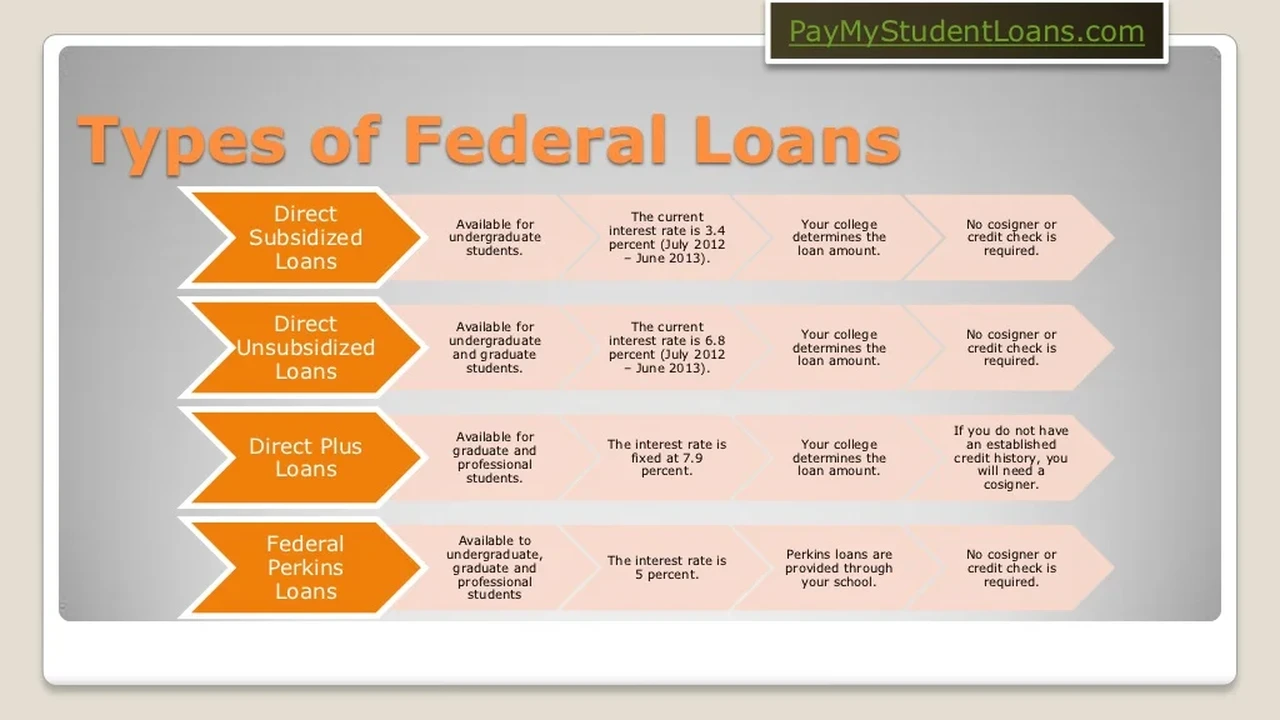
Tuition fees for online degrees can vary widely. Beyond tuition, consider other costs like textbooks, technology fees, and potential travel for residencies (if applicable). Research financial aid options thoroughly. For US students, this includes federal student aid (FAFSA), scholarships, grants, and institutional aid. Many universities also offer scholarships specifically for online students. For Southeast Asian students, look for international scholarships, grants, or payment plans. Some employers offer tuition reimbursement programs, which can significantly reduce your out-of-pocket expenses. Always compare the total cost of attendance across different programs and understand the payment structure before committing.
Student Services and Community Engagement Beyond the Classroom
While online learning offers flexibility, it doesn't mean you have to sacrifice community. Many institutions foster vibrant online communities through discussion forums, virtual study groups, and online student organizations. Look for programs that emphasize student engagement and provide opportunities for networking with peers and alumni. Career services are also vital; inquire about job placement rates, resume review, interview preparation, and alumni networks. These services can be particularly beneficial for students in Southeast Asia looking to enter the US job market or vice versa, providing valuable connections and guidance.
Reputation and Alumni Network The Value of Your Degree
The reputation of the institution offering the online degree can significantly impact its value in the job market. A degree from a well-regarded university, even if earned online, often carries more weight. Research the institution's overall ranking, its specific department's reputation, and the success stories of its alumni. A strong alumni network can provide mentorship, job opportunities, and professional connections long after graduation. This is especially true for competitive fields in both the US and Southeast Asia, where networking can be as important as academic achievement.
Specific Online Degree Program Recommendations and Comparisons
Let's look at some popular online degree categories and specific programs that stand out, considering both US and Southeast Asian markets. We'll compare features, target audience, and approximate costs.
Online MBA Programs Top Choices for Business Leaders
Online MBAs are incredibly popular for professionals seeking to advance into leadership roles. They offer flexibility and a comprehensive business education.
1. University of Illinois Urbana-Champaign iMBA
- Target Audience: Mid-career professionals, aspiring managers, entrepreneurs.
- Key Features: Highly flexible, stackable credentials, strong focus on practical application, global cohort. Offers specializations in Digital Marketing, Business Analytics, Entrepreneurship, and more.
- Learning Platform: Coursera. Integrates video lectures, peer-graded assignments, and live global sessions.
- Pros: Exceptionally affordable for a top-tier MBA, strong brand recognition, excellent networking opportunities through Coursera's global reach.
- Cons: Requires significant self-discipline, less direct faculty interaction than traditional programs.
- Approximate Cost: Around $23,000 - $25,000 USD for the entire program.
- Use Case: Ideal for professionals in Southeast Asia looking for a globally recognized, affordable MBA without relocating, or US professionals seeking a flexible, high-value option.
2. Indiana University Kelley School of Business Online MBA
- Target Audience: Experienced professionals aiming for executive leadership.
- Key Features: Highly ranked, offers numerous majors (e.g., Finance, Marketing, Business Analytics, Supply Chain Management), optional in-person immersions.
- Learning Platform: Custom-built platform with interactive modules, live online classes, and collaborative projects.
- Pros: Strong career services, excellent faculty, highly respected degree in the US and internationally.
- Cons: Higher tuition cost, requires more synchronous participation.
- Approximate Cost: Around $75,000 - $85,000 USD for the entire program.
- Use Case: Suited for US professionals or Southeast Asian executives who prioritize a top-ranked, comprehensive MBA experience and are willing to invest more.
3. University of Manchester Global MBA (Alliance Manchester Business School)
- Target Audience: International professionals, those seeking a strong global perspective.
- Key Features: Blended learning approach with workshops in global centers (e.g., Dubai, Shanghai, Singapore, Manchester), strong emphasis on practical projects.
- Learning Platform: Blended, combining online modules with face-to-face workshops.
- Pros: Excellent for networking across continents, strong international reputation, practical focus.
- Cons: Requires travel for workshops, higher cost.
- Approximate Cost: Around £30,000 - £40,000 GBP (approx. $38,000 - $50,000 USD) for the entire program.
- Use Case: Perfect for professionals in Southeast Asia who want a UK-accredited MBA with a global network and some in-person interaction.
Online Master's in Computer Science Data Science and IT
These degrees are in high demand across both the US and Southeast Asia, driven by the booming tech industry.
1. Georgia Institute of Technology Online Master of Science in Computer Science (OMSCS)
- Target Audience: Aspiring software engineers, data scientists, AI/ML specialists.
- Key Features: Rigorous curriculum, same faculty as on-campus program, offers specializations in Machine Learning, Computing Systems, Interactive Intelligence, and more.
- Learning Platform: Canvas, supplemented by Piazza for discussions and Udacity for some course content.
- Pros: Extremely affordable for a top-10 CS program, highly respected in the tech industry, large and active student community.
- Cons: Very challenging, high workload, requires strong foundational CS knowledge.
- Approximate Cost: Around $7,000 - $10,000 USD for the entire program.
- Use Case: Ideal for US and Southeast Asian tech professionals seeking a world-class CS master's at an unbeatable price, with a strong commitment to rigorous study.
2. University of California Berkeley Master of Information and Data Science (MIDS)
- Target Audience: Professionals looking to become data scientists, data analysts, or data engineers.
- Key Features: Strong focus on practical data science skills, interdisciplinary approach, includes a capstone project.
- Learning Platform: 2U platform, featuring live online classes, interactive coursework, and dedicated support.
- Pros: Prestigious university, strong career outcomes, excellent networking opportunities.
- Cons: Very high tuition cost, demanding schedule with live sessions.
- Approximate Cost: Around $75,000 - $80,000 USD for the entire program.
- Use Case: Suited for US or Southeast Asian professionals who want a premium, career-focused data science degree from a top-tier institution and are prepared for the investment.
3. National University of Singapore (NUS) Master of Computing (MComp) Online
- Target Audience: IT professionals, software developers, data specialists in Southeast Asia.
- Key Features: Offers specializations in Artificial Intelligence, Computer Science, Information Systems, and more. Strong regional relevance.
- Learning Platform: NUS's custom online learning environment, often incorporating Zoom for live sessions.
- Pros: Highly respected in Asia, strong industry connections within Southeast Asia, relevant curriculum for the regional job market.
- Cons: Primarily targets the Asian market, less global recognition than some US counterparts.
- Approximate Cost: Around S$38,000 - S$45,000 SGD (approx. $28,000 - $33,000 USD) for the entire program.
- Use Case: Excellent for professionals in Singapore and other Southeast Asian countries seeking a top-quality, regionally focused IT master's degree.
Online Bachelor's Degrees for Career Entry and Advancement
For those starting their careers or looking to switch fields, online bachelor's degrees offer a flexible pathway.
1. Arizona State University Online Bachelor of Science in Business Administration
- Target Audience: High school graduates, working adults, career changers.
- Key Features: Wide range of concentrations (e.g., Management, Marketing, Supply Chain Management), strong support services for online students.
- Learning Platform: Canvas, with extensive online resources and student communities.
- Pros: Large, reputable public university, flexible course options, good career services.
- Cons: Can be expensive for out-of-state students, large class sizes.
- Approximate Cost: Around $13,000 - $15,000 USD per year for out-of-state, less for in-state. Total $52,000 - $60,000 USD.
- Use Case: Great for US students seeking a flexible, recognized business degree. Also suitable for Southeast Asian students looking for a US-accredited bachelor's.
2. University of Florida Online Bachelor of Science in Computer Science
- Target Audience: Students interested in a foundational computer science degree.
- Key Features: Comprehensive CS curriculum, strong academic rigor, prepares students for graduate studies or tech careers.
- Learning Platform: Canvas, with interactive labs and virtual office hours.
- Pros: Highly ranked public university, affordable for in-state students, strong reputation in STEM fields.
- Cons: Can be challenging, requires strong math and problem-solving skills.
- Approximate Cost: Around $129 USD per credit hour for in-state, $500 USD per credit hour for out-of-state. Total $15,000 - $60,000 USD.
- Use Case: Excellent for US students seeking an affordable, high-quality CS bachelor's. Also an option for international students willing to pay out-of-state tuition for a US degree.
3. Open University (UK) Bachelor of Science (Honours) Computing and IT
- Target Audience: Global learners, working adults, those seeking extreme flexibility.
- Key Features: Highly flexible, self-paced, no entry requirements for most programs, strong focus on practical skills.
- Learning Platform: Custom-built platform with extensive course materials, forums, and tutor support.
- Pros: Unmatched flexibility, globally recognized UK degree, very accessible.
- Cons: Requires significant self-motivation, less direct interaction than traditional programs.
- Approximate Cost: Around £6,000 - £7,000 GBP per year (approx. $7,500 - $9,000 USD). Total £18,000 - £21,000 GBP (approx. $22,500 - $26,500 USD) for a 3-year degree.
- Use Case: Ideal for students in Southeast Asia or anywhere globally who need maximum flexibility and a recognized UK degree, often while working full-time.
Online Master's in Healthcare Administration (MHA)
With growing healthcare needs in both regions, an MHA can open doors to management roles.
1. University of Southern California (USC) Executive Master of Health Administration (EMHA)
- Target Audience: Mid-career healthcare professionals, clinicians, administrators.
- Key Features: Designed for working professionals, strong emphasis on leadership and policy, includes a residency component.
- Learning Platform: 2U platform, with live online classes and interactive case studies.
- Pros: Prestigious university, strong alumni network in healthcare, excellent career outcomes.
- Cons: Very high tuition, demanding schedule.
- Approximate Cost: Around $90,000 - $95,000 USD for the entire program.
- Use Case: Suited for US healthcare leaders or Southeast Asian professionals aiming for top-tier executive roles in healthcare and willing to invest significantly.
2. University of Alabama at Birmingham (UAB) Master of Science in Health Administration (MSHA) Online
- Target Audience: Aspiring healthcare managers and executives.
- Key Features: Highly ranked program, strong focus on management and policy, offers a blend of asynchronous and synchronous learning.
- Learning Platform: Canvas, with virtual classrooms and collaborative tools.
- Pros: Reputable program, more affordable than some private university options, good career placement.
- Cons: Still a significant investment, requires commitment to a structured schedule.
- Approximate Cost: Around $35,000 - $40,000 USD for the entire program.
- Use Case: A strong option for US or Southeast Asian professionals seeking a well-regarded MHA at a more accessible price point than top-tier private institutions.
3. James Cook University (JCU) Online Master of Public Health (MPH) (Australia)
- Target Audience: Healthcare professionals, public health practitioners, policy makers.
- Key Features: Focus on tropical health and indigenous health, relevant for Southeast Asian contexts, strong research component.
- Learning Platform: LearnJCU (Blackboard-based), with online modules and virtual discussions.
- Pros: Strong regional relevance for Southeast Asia, internationally recognized Australian degree, flexible.
- Cons: Less direct focus on administration compared to an MHA, but covers relevant management aspects.
- Approximate Cost: Around A$30,000 - A$35,000 AUD (approx. $20,000 - $23,000 USD) for the entire program.
- Use Case: Excellent for healthcare professionals in Southeast Asia looking for a public health master's with strong regional applicability and an Australian accreditation.
Online Education Degrees for Teachers and Administrators
Online education degrees are perfect for educators looking to enhance their skills or move into administrative roles.
1. Western Governors University (WGU) Online Master of Arts in Teaching (MAT)
- Target Audience: Individuals with a bachelor's degree seeking initial teacher licensure.
- Key Features: Competency-based learning, highly flexible, includes student teaching component.
- Learning Platform: WGU's custom platform, focusing on self-paced modules and mentor support.
- Pros: Very affordable, highly flexible, allows students to accelerate their learning, recognized for licensure in many US states.
- Cons: Requires strong self-motivation, less traditional classroom interaction.
- Approximate Cost: Around $4,000 - $5,000 USD per 6-month term. Total $8,000 - $15,000 USD depending on pace.
- Use Case: Ideal for US residents looking for an affordable, flexible path to teacher licensure.
2. University of Southern Queensland (USQ) Online Master of Education (Australia)
- Target Audience: Experienced teachers, educational leaders, curriculum developers.
- Key Features: Offers specializations in Leadership and Management, Curriculum and Pedagogy, Digital Learning, and more.
- Learning Platform: StudyDesk (Moodle-based), with online resources and virtual collaboration tools.
- Pros: Flexible, internationally recognized Australian degree, relevant for educators in Southeast Asia.
- Cons: Less direct interaction than some programs, requires self-discipline.
- Approximate Cost: Around A$28,000 - A$32,000 AUD (approx. $18,500 - $21,000 USD) for the entire program.
- Use Case: Great for educators in Southeast Asia seeking an advanced degree to enhance their careers or move into leadership roles.
3. University of Massachusetts Amherst Online Master of Education (M.Ed.) in Learning, Media, and Technology
- Target Audience: Educators interested in integrating technology into learning, instructional designers.
- Key Features: Focus on educational technology, instructional design, and media literacy.
- Learning Platform: Blackboard, with a mix of asynchronous and synchronous activities.
- Pros: Strong focus on a highly relevant and growing field, reputable public university.
- Cons: Can be more expensive for out-of-state students.
- Approximate Cost: Around $15,000 - $20,000 USD for the entire program.
- Use Case: Suitable for US educators or international educators looking to specialize in educational technology and digital learning.
Choosing the right online degree program is a deeply personal decision. By carefully considering your goals, researching accreditation, evaluating program structure and curriculum, and comparing specific offerings, you can confidently select a program that will propel you towards your academic and career aspirations, whether you're aiming for opportunities in the US or the vibrant markets of Southeast Asia. Remember, the best program is the one that fits your unique needs and helps you achieve your definition of success.
:max_bytes(150000):strip_icc()/277019-baked-pork-chops-with-cream-of-mushroom-soup-DDMFS-beauty-4x3-BG-7505-5762b731cf30447d9cbbbbbf387beafa.jpg)