Student Loans for Online Degrees A Comprehensive Guide
Understand student loan options for financing your online degree. A guide for US and international students.

Understand student loan options for financing your online degree. A guide for US and international students.
Student Loans for Online Degrees A Comprehensive Guide
So, you're thinking about getting an online degree? That's awesome! Online education has opened up so many doors for people who might not have been able to pursue higher education otherwise. Whether you're a working professional looking to upskill, a parent juggling family responsibilities, or someone living far from traditional campuses, online degrees offer incredible flexibility. But let's be real, education, even online, isn't free. And that's where student loans come into play. Navigating the world of student loans can feel like trying to solve a Rubik's Cube blindfolded, especially when you're also trying to figure out the best online program for you. Don't sweat it! This comprehensive guide is here to break down everything you need to know about student loan options for financing your online degree, whether you're in the US or an international student looking to study in the US.
We'll cover federal loans, private loans, and even some specific considerations for international students. We'll also dive into how these loans work, what to look out for, and some smart strategies to minimize your borrowing. Our goal is to make sure you feel confident and informed when making decisions about funding your online education journey.
Understanding Federal Student Loans for Online Programs US Students
For US citizens and eligible non-citizens, federal student loans are usually your best first stop. Why? Because they often come with more favorable terms and borrower protections compared to private loans. The US Department of Education offers several types of federal student loans, and most of them are available for students enrolled in eligible online degree programs. The key here is 'eligible' – your online program needs to be offered by an institution that participates in federal student aid programs. Most accredited online universities do, but it's always a good idea to double-check with your school's financial aid office.
Direct Subsidized Loans Eligibility and Benefits
Direct Subsidized Loans are fantastic because the government pays the interest while you're in school at least half-time, during your grace period, and during deferment periods. This means you're not accruing interest on your loan until after you leave school. Pretty sweet, right? These loans are based on financial need, so your eligibility is determined by your Free Application for Federal Student Aid (FAFSA) and your school's cost of attendance. They're typically available for undergraduate students, so if you're pursuing an online bachelor's degree, this is definitely one to look into.
Direct Unsubsidized Loans Interest and Repayment
Direct Unsubsidized Loans are available to both undergraduate and graduate students, regardless of financial need. The main difference from subsidized loans is that you're responsible for all the interest that accrues on the loan from the moment it's disbursed. You can choose to pay the interest while you're in school, or let it accrue and be added to your principal balance (this is called capitalization). While it's tempting to defer interest payments, paying them while you're studying can save you a good chunk of money in the long run. The interest rates for these loans are fixed, meaning they won't change over the life of the loan, which offers some predictability.
Direct PLUS Loans Graduate PLUS and Parent PLUS Options
Direct PLUS Loans are designed for graduate or professional students (Graduate PLUS) and parents of dependent undergraduate students (Parent PLUS). These loans can cover up to the cost of attendance minus any other financial aid received. Unlike subsidized and unsubsidized loans, PLUS loans require a credit check. If you have an adverse credit history, you might need an endorser (a co-signer) or to document extenuating circumstances. The interest rates for PLUS loans are generally higher than for subsidized and unsubsidized loans, but they still come with federal borrower protections like income-driven repayment plans and deferment options.
Federal Student Loan Application Process FAFSA and Beyond
To apply for federal student aid, including federal student loans, you need to complete the Free Application for Federal Student Aid (FAFSA). This form collects your financial information and helps determine your eligibility for various types of aid. You'll need to submit it each year you plan to attend school. After you submit your FAFSA, your school's financial aid office will put together a financial aid package for you, which might include grants, scholarships, and federal student loans. Make sure to review this package carefully and only accept the loans you truly need.
Exploring Private Student Loans for Online Education Alternative Funding
Sometimes, federal student loans might not cover the full cost of your online degree, or you might not be eligible for enough federal aid. In these cases, private student loans can bridge the gap. These loans are offered by banks, credit unions, and other private lenders. While they can be a necessary tool, it's crucial to understand that private loans generally have different terms and fewer borrower protections than federal loans.
Key Differences Federal vs Private Loans Interest Rates and Terms
The biggest difference often lies in interest rates. Private loans can have variable interest rates, meaning they can change over time, potentially increasing your monthly payments. Federal loans, on the other hand, typically have fixed interest rates. Private loans also usually require a credit check and often a co-signer, especially for students with limited credit history. Federal loans, particularly subsidized and unsubsidized, don't typically require a credit check for the student. Repayment options can also differ significantly; federal loans offer various income-driven repayment plans and forgiveness programs that are rarely available with private loans.
Top Private Student Loan Lenders for Online Students Comparison
When considering private loans, it's smart to shop around and compare offers from multiple lenders. Here are a few prominent private student loan providers that often cater to online students, along with some general characteristics. Remember, specific terms will depend on your creditworthiness and the current market conditions.
Sallie Mae Smart Option Student Loan Features and Pricing
Sallie Mae is one of the largest private student loan lenders. Their Smart Option Student Loan is popular because it offers three repayment options while you're in school: deferred repayment (pay nothing until after graduation), fixed repayment (pay a small fixed amount each month), or interest-only repayment. This flexibility can be appealing. They offer both fixed and variable interest rates. For example, as of late 2023/early 2024, variable rates might start around 5.00% APR and go up to 16.00% APR, while fixed rates could range from 6.00% APR to 17.00% APR. These are just examples and can change. Sallie Mae is known for offering loans for a wide range of degree types, including online programs, and they often have competitive rates for borrowers with excellent credit and a co-signer. They also offer a multi-year advantage, allowing you to apply once for your entire degree program.
Discover Student Loans Rewards and Benefits
Discover Student Loans are another strong contender. They offer loans for undergraduate, graduate, and even health professions students. A unique feature of Discover is their 1% cash reward on each new loan for good academic performance (maintaining a certain GPA). They also offer a 0.25% interest rate reduction for making automatic payments. Discover typically offers both fixed and variable interest rates, with ranges similar to Sallie Mae. For instance, variable rates might be from 5.50% APR to 15.50% APR, and fixed rates from 6.50% APR to 16.50% APR. They also have no application, origination, or late fees, which is a big plus. Discover is generally transparent about their terms and has good customer service.
College Ave Student Loans Customization and Flexibility
College Ave is known for its highly customizable loan options. You can choose from various in-school repayment options (full deferment, interest-only, flat $25 payments, or full principal and interest payments) and different repayment terms (from 5 to 15 years). This level of customization allows you to tailor the loan to your specific financial situation. Their interest rates are competitive, often starting slightly lower for those with excellent credit. For example, variable rates could begin around 4.50% APR and fixed rates around 5.50% APR, extending upwards depending on credit. They also offer a 0.25% interest rate reduction for automatic payments. College Ave is a good choice if you want a lot of control over your loan structure.
CommonBond Student Loans Social Impact and Refinancing
CommonBond offers private student loans and is also known for its social impact initiatives (they fund education for children in need for every loan funded). They offer competitive rates and a variety of repayment options. While their primary focus has shifted a bit towards refinancing, they still offer in-school loans. Their rates are generally competitive, and they emphasize a personalized approach to customer service. They also offer a 0.25% interest rate discount for setting up automatic payments. CommonBond might be a good fit if you value a lender with a strong social mission and competitive rates.
Applying for Private Student Loans Credit Checks and Co Signers
When you apply for a private student loan, the lender will perform a credit check. Your credit score and credit history will heavily influence whether you're approved and what interest rate you receive. If you have a limited credit history or a low credit score, you'll likely need a co-signer. A co-signer is someone with good credit who agrees to be equally responsible for the loan if you can't make payments. This significantly increases your chances of approval and can help you secure a lower interest rate. Make sure both you and your co-signer understand the responsibilities involved.
Student Loan Options for International Students Studying Online in the US
If you're an international student looking to pursue an online degree from a US institution, financing can be a bit more complex, but it's definitely doable! While federal student aid is generally not available to international students, there are still several avenues to explore.
No Cosigner Loans for International Students Limited Availability
Some lenders offer private student loans to international students without requiring a US co-signer. However, these are typically much harder to qualify for and often come with higher interest rates. They usually require you to be enrolled in a specific list of approved schools and programs, and you might need to demonstrate a strong academic record or future earning potential. Lenders like MPOWER Financing and Prodigy Finance are prominent in this space.
MPOWER Financing Features and Eligibility
MPOWER Financing is specifically designed for international students. They offer loans without requiring a co-signer, collateral, or a credit score. Instead, they look at your academic success and career path. They lend to students from over 190 countries who are attending one of their 400+ approved universities in the US and Canada. Their loans typically have fixed interest rates, which can range from 7.99% to 14.99% APR, depending on various factors. They also offer career support and immigration resources. MPOWER is a great option if you're an international student with a strong academic profile and are enrolled in an eligible program.
Prodigy Finance Loans for Graduate Students
Prodigy Finance also specializes in loans for international students, primarily focusing on graduate students pursuing master's degrees in fields like business, engineering, public policy, and law. Similar to MPOWER, they don't require a co-signer or collateral. They assess your future earning potential based on your program and university. Their interest rates are typically variable, often ranging from 8.00% to 15.00% APR, plus a small administrative fee. Prodigy Finance has a strong network of supported universities and is a solid choice for international graduate students.
US Cosigner Loans for International Students Increased Approval
If you have a US citizen or permanent resident who is willing to co-sign your private student loan, your options expand significantly. Many of the private lenders mentioned earlier (Sallie Mae, Discover, College Ave) will lend to international students with a qualified US co-signer. This can often lead to better interest rates and more favorable terms than no-cosigner options. The co-signer needs to have a good credit history and sufficient income to meet the lender's requirements.
School Specific Loans and Scholarships for International Students
Don't forget to check with the financial aid office of your chosen online university! Many institutions offer their own loan programs or scholarships specifically for international students. These can sometimes be more flexible or have better terms than general private loans. It's always worth asking what institutional aid is available.
Understanding Loan Repayment Strategies and Options Managing Your Debt
Getting the loan is just the first step; understanding how to repay it is equally, if not more, important. Both federal and private loans offer various repayment plans, but the options differ significantly.
Federal Loan Repayment Plans Income Driven and Standard
Federal student loans come with a variety of repayment plans designed to help you manage your debt. The Standard Repayment Plan has fixed monthly payments over 10 years. However, if that's too much, income-driven repayment (IDR) plans are a lifesaver. These plans (like PAYE, REPAYE, IBR, ICR) adjust your monthly payment based on your income and family size, often extending the repayment period to 20 or 25 years. Any remaining balance after that period might be forgiven, though it could be taxable. There are also Extended and Graduated repayment plans. It's crucial to choose the plan that best fits your financial situation.
Private Loan Repayment Options Flexibility and Refinancing
Private loan repayment options are generally less flexible than federal ones. Most private lenders offer standard repayment plans with fixed monthly payments over a set term (e.g., 5, 10, or 15 years). Some might offer deferment or forbearance options if you face financial hardship, but these are usually at the lender's discretion and might not be as generous as federal options. One key strategy for private loans is refinancing. If your credit score improves after graduation, or if interest rates drop, you might be able to refinance your private loans (or even federal loans, though you'd lose federal protections) into a new loan with a lower interest rate or different terms. Lenders like SoFi, Earnest, and CommonBond are popular for refinancing.
Loan Forgiveness Programs Public Service and Teacher Options
Federal student loans offer several forgiveness programs. The most well-known is Public Service Loan Forgiveness (PSLF), which forgives the remaining balance on Direct Loans after you've made 120 qualifying monthly payments while working full-time for a qualifying employer (government or non-profit). There are also teacher loan forgiveness programs and specific forgiveness options for certain professions. Private loans generally do not offer forgiveness programs, which is another reason to prioritize federal loans.
Smart Strategies for Minimizing Student Loan Debt Borrow Less Pay Less
The best loan is often no loan, or at least the smallest loan possible! Here are some smart strategies to help you minimize the amount you need to borrow for your online degree.
Maximizing Grants and Scholarships Free Money First
Always, always, always prioritize grants and scholarships. This is free money you don't have to pay back! Search for scholarships specifically for online students, for your field of study, for your demographic, or even for unique talents. Your school's financial aid office is a great resource, as are scholarship search engines like Fastweb, Scholarship.com, and the College Board's BigFuture. Don't underestimate smaller scholarships; they add up!
Employer Tuition Assistance Programs Company Benefits
Many employers offer tuition assistance or reimbursement programs as part of their benefits package. If you're working while pursuing your online degree, check with your HR department. This can be a huge help, as your employer might cover a significant portion, or even all, of your tuition costs, often in exchange for a commitment to stay with the company for a certain period after graduation.
Budgeting and Cost Cutting for Online Students Smart Spending
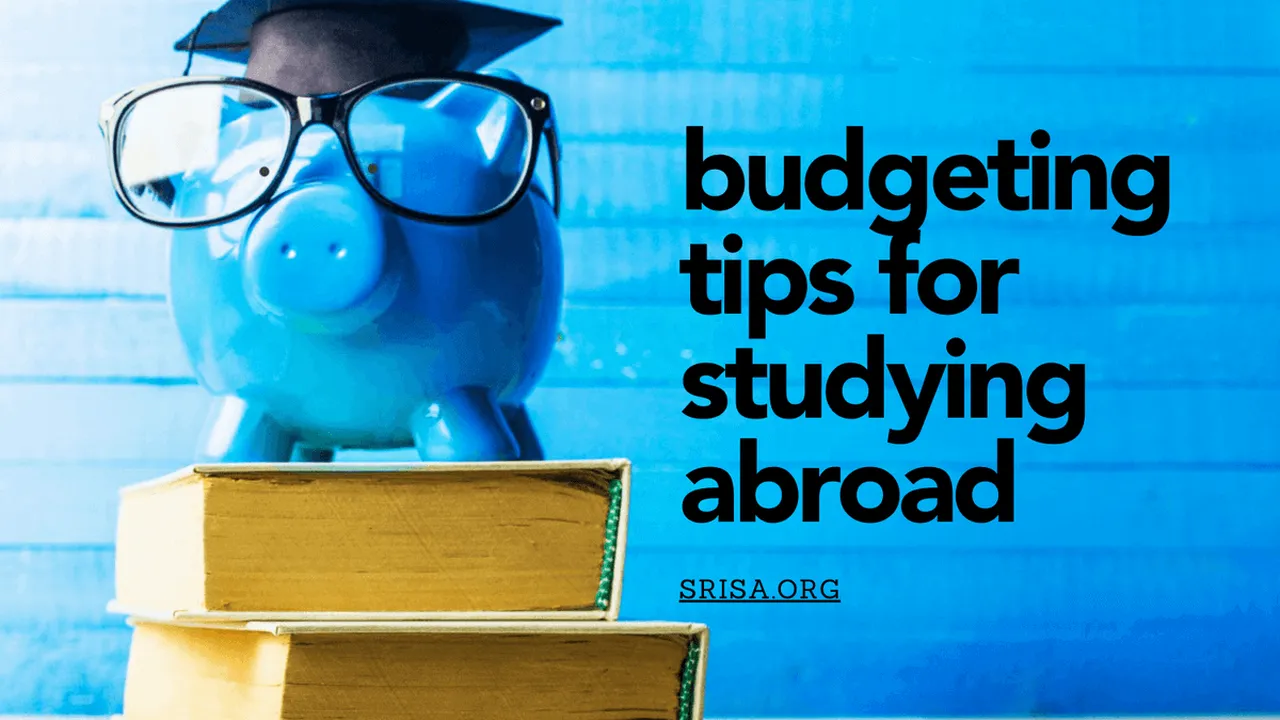
Create a detailed budget for your online degree. Factor in tuition, fees, books, technology, and even potential lost income if you reduce your work hours. Look for ways to cut costs. Can you buy used textbooks or rent e-books? Are there free or low-cost software alternatives? Living frugally during your studies can significantly reduce the amount you need to borrow. Remember, every dollar you don't borrow is a dollar you don't have to pay back with interest.
Part Time Enrollment and Work Study Balancing Act
Consider enrolling part-time if it allows you to continue working and cover some of your educational expenses out of pocket. While it might take longer to complete your degree, it could save you a lot in interest over the long run. Some online programs also offer work-study opportunities, allowing you to earn money while gaining valuable experience, though these are more common for on-campus students, it's worth inquiring.
Common Pitfalls and How to Avoid Them Student Loan Traps
The student loan landscape can be tricky, and there are some common mistakes students make. Being aware of these can help you navigate your borrowing journey more smoothly.
Borrowing More Than You Need The Temptation of Extra Funds
It's easy to accept the maximum loan amount offered, especially when it feels like 'free money.' But remember, every dollar you borrow has to be paid back with interest. Only borrow what you absolutely need to cover your essential educational and living expenses. Over-borrowing can lead to unnecessary debt and a heavier financial burden after graduation.
Ignoring Interest Accrual During In School Deferment Hidden Costs
For unsubsidized federal loans and most private loans, interest starts accruing immediately, even while you're in school. If you defer payments, that interest gets added to your principal balance (capitalized), meaning you'll pay interest on a larger amount later. If possible, try to make interest-only payments while you're studying to keep your principal balance from growing.
Not Understanding Loan Terms and Conditions The Fine Print Matters
Before signing any loan agreement, read the fine print! Understand the interest rate (fixed vs. variable), repayment terms, fees (origination, late payment), and any penalties for early repayment. Don't be afraid to ask your lender or financial aid office questions until you fully understand everything. Ignorance is definitely not bliss when it comes to student loans.
Missing Payments and Defaulting on Loans Serious Consequences
Missing loan payments can have severe consequences, including damage to your credit score, collection fees, and even wage garnishment. If you're struggling to make payments, don't ignore the problem. Contact your loan servicer immediately. Federal loan servicers can often work with you to adjust your repayment plan or offer deferment/forbearance options. Private lenders might be less flexible, but it's always worth reaching out.
Final Thoughts on Funding Your Online Degree Journey
Financing your online degree is a significant undertaking, but with careful planning and a good understanding of your options, it's entirely manageable. Start with federal aid if you're a US student, explore grants and scholarships, and only then consider private loans if absolutely necessary. For international students, specialized lenders and school-specific aid are your best bet.
Remember to be a smart borrower: only take out what you need, understand your loan terms, and have a repayment strategy in place. Your online degree is an investment in your future, and by managing your finances wisely, you can ensure that investment pays off without an overwhelming debt burden. Good luck with your studies!
:max_bytes(150000):strip_icc()/277019-baked-pork-chops-with-cream-of-mushroom-soup-DDMFS-beauty-4x3-BG-7505-5762b731cf30447d9cbbbbbf387beafa.jpg)