Online Learning for K-12 Students Top Resources
Find the best online learning resources and platforms specifically designed for K-12 students and their educational needs.
Find the best online learning resources and platforms specifically designed for K-12 students and their educational needs. The world of education has undergone a massive transformation, especially for K-12 students. What was once primarily a brick-and-mortar experience has now expanded to include a vast array of online learning opportunities. Whether you're a parent looking for supplemental education, a student seeking to catch up or get ahead, or a school district exploring blended learning models, understanding the top online resources is crucial. This article dives deep into the best platforms, tools, and strategies for K-12 online learning, focusing on what makes them effective and how they cater to diverse educational needs across the US and Southeast Asia.
Online Learning for K-12 Students Top Resources
The Rise of K-12 Online Education Understanding the Landscape
Online education for K-12 students isn't just a temporary trend; it's a fundamental shift in how we approach learning. The COVID-19 pandemic accelerated its adoption, but the benefits of flexibility, personalized learning paths, and access to specialized courses have ensured its continued growth. For parents and educators in the US and Southeast Asia, navigating this landscape means understanding the different types of online learning available, from fully virtual schools to supplementary platforms and hybrid models. The goal is to find resources that are not only engaging but also academically rigorous and aligned with educational standards.
Key Factors for Choosing K-12 Online Learning Platforms Quality and Engagement
When selecting an online learning platform for K-12 students, several factors come into play. First and foremost is the quality of the curriculum. Is it accredited? Does it align with national or international standards? Beyond academics, engagement is critical. Young learners need interactive content, clear instructions, and opportunities for collaboration. Technical reliability, ease of use for both students and parents, and robust customer support are also essential. For families in Southeast Asia, platforms offering multilingual support or culturally relevant content can be a significant advantage. Security and privacy are non-negotiable, especially when dealing with minors' data.
Top Online Learning Platforms for K-12 Students A Detailed Comparison
Let's dive into some of the leading online learning platforms specifically designed for K-12 students. We'll compare their features, target age groups, pricing models, and unique selling points.
Khan Academy Free Educational Resources for All Ages
Overview: Khan Academy is a non-profit educational organization offering free, world-class education to anyone, anywhere. It covers a vast range of subjects from kindergarten through early college, including math, science, history, economics, and test prep (SAT, AP). Its content is delivered through video lessons, practice exercises, and personalized learning dashboards.
Target Audience: K-12 students, college students, and adult learners. It's particularly strong for foundational subjects and remedial learning.
Key Features:
- Extensive library of video tutorials and practice problems.
- Personalized learning dashboard to track progress.
- Gamified learning experience with badges and energy points.
- Parent and teacher dashboards for monitoring student activity.
- Available in multiple languages, making it accessible in Southeast Asia.
Use Cases: Supplemental learning, homework help, test preparation, homeschooling curriculum support, and filling learning gaps. It's excellent for self-paced learning.
Pricing: Free.
Pros: Completely free, high-quality content, self-paced, widely recognized, good for foundational skills.
Cons: Lacks live interaction, may not be sufficient as a sole curriculum for all students, relies heavily on self-motivation.
Outschool Live Online Classes for Unique Interests and Core Subjects
Overview: Outschool offers a marketplace of live online classes taught by independent teachers. It boasts an incredible diversity of subjects, from core academics like math and English to unique interests like Dungeons & Dragons, coding, and creative writing. Classes are typically small, interactive, and often project-based.
Target Audience: K-12 students, with a strong emphasis on elementary and middle school ages, but also plenty for high schoolers.
Key Features:
- Live, interactive classes with real teachers.
- Small class sizes for personalized attention.
- Thousands of unique and engaging subjects.
- Flexible scheduling with one-time, ongoing, and multi-session classes.
- Strong community aspect with opportunities for social interaction.
Use Cases: Supplementing traditional schooling, exploring new hobbies, social interaction, advanced learning in specific subjects, and homeschooling enrichment. Great for students who thrive with live instruction and peer interaction.
Pricing: Varies per class, typically ranging from $10-$50+ per hour, depending on class length and teacher experience. No subscription fee, you pay per class.
Pros: Highly engaging, diverse subjects, live interaction, flexible, caters to niche interests.
Cons: Can be expensive if taking many classes, quality varies by teacher (though reviews help), requires scheduling.
IXL Personalized Learning for Math and English Language Arts
Overview: IXL is a subscription-based online learning platform that provides comprehensive, personalized practice in math and English Language Arts (ELA) for students from pre-K through 12th grade. It uses adaptive technology to tailor questions to each student's level, providing immediate feedback and explanations.
Target Audience: K-12 students, particularly those needing targeted practice and skill development in math and ELA.
Key Features:
- Adaptive learning technology adjusts difficulty based on performance.
- Thousands of skills aligned with US state standards (Common Core, etc.).
- Immediate feedback and step-by-step explanations for incorrect answers.
- Detailed analytics and progress reports for parents and teachers.
- Awards and certificates to motivate students.
Use Cases: Skill reinforcement, homework practice, test preparation, identifying and addressing learning gaps, and supplemental curriculum for homeschooling.
Pricing: Individual subscriptions start around $9.95/month for one subject or $19.95/month for all subjects. Family plans are also available. School licenses vary.
Pros: Highly personalized, extensive skill coverage, immediate feedback, strong analytics, good for skill mastery.
Cons: Can feel repetitive, primarily practice-based rather than instructional, limited to math and ELA.
ABCmouse Early Learning Academy for Young Children
Overview: ABCmouse is a comprehensive online curriculum for children aged 2-8, covering reading, math, art, and colors. It offers a structured learning path with over 10,000 learning activities, including games, books, puzzles, songs, and art activities.
Target Audience: Preschool, kindergarten, and early elementary school students (ages 2-8).
Key Features:
- Full online curriculum for early learners.
- Progress tracking for parents.
- Interactive and engaging activities.
- Safe, ad-free environment.
- Customizable avatars and virtual rewards.
Use Cases: Primary learning resource for preschoolers, supplemental learning for early elementary, homeschooling curriculum, and summer learning.
Pricing: Typically around $12.99/month, with discounts for annual subscriptions (e.g., $59.99/year). Often offers a free trial period.
Pros: Comprehensive, highly engaging for young children, structured learning path, safe environment.
Cons: Limited to younger age groups, can be repetitive for some children, requires consistent screen time.
Connections Academy and K12 Inc Full Time Online Public School Options
Overview: Connections Academy and K12 Inc (now Stride K12) are two of the largest providers of full-time, tuition-free online public schooling in the US. They offer a complete curriculum, certified teachers, and a structured school year, just like a traditional public school, but entirely online. They also offer private school options for a fee.
Target Audience: K-12 students seeking a full-time online school experience, often for reasons of flexibility, specialized needs, or geographic location.
Key Features:
- Accredited, full-time curriculum.
- State-certified teachers.
- Structured school year with assignments, grades, and report cards.
- Virtual classrooms and live lessons.
- Counseling and support services.
- Opportunities for extracurricular activities and social events (often virtual, sometimes local).
Use Cases: Primary schooling for students who thrive in an online environment, families needing flexibility (e.g., athletes, performers, frequent travelers), students with specific learning needs, or those in remote areas.
Pricing: Tuition-free for public school options in participating states. Private school options vary but can range from $5,000 to $10,000+ per year.
Pros: Full curriculum, accredited, certified teachers, structured, flexible, good for specific student needs.
Cons: Requires significant parent involvement, less in-person social interaction, not available in all regions, can be a big adjustment from traditional school.
Specialized Online Learning Tools and Resources Enhancing the K-12 Experience
Beyond comprehensive platforms, several specialized tools can significantly enhance the K-12 online learning experience.
Duolingo Language Learning for K-12 Students
Overview: Duolingo is a popular free language-learning app and website. It uses gamified lessons to teach vocabulary, grammar, and pronunciation in over 40 languages. It's highly engaging and suitable for beginners and intermediate learners.
Target Audience: K-12 students interested in learning a new language, from elementary to high school.
Key Features:
- Gamified lessons with points, streaks, and leaderboards.
- Short, digestible lessons.
- Speech recognition for pronunciation practice.
- Available on web and mobile.
Use Cases: Supplemental language learning, introduction to a new language, travel preparation, and maintaining language skills.
Pricing: Free with ads; Duolingo Plus subscription (ad-free, offline lessons) is around $6.99/month or $84/year.
Pros: Free, engaging, accessible, wide range of languages, good for building foundational skills.
Cons: May not provide deep grammatical explanations, limited speaking practice with native speakers, can be repetitive.
Scratch and Codecademy Coding and STEM Education for Young Learners
Overview: Scratch (developed by MIT) is a free, block-based visual programming language and online community for children. It allows them to create interactive stories, games, and animations. Codecademy offers interactive coding lessons for older K-12 students (middle school and high school) in various programming languages like Python, JavaScript, and HTML/CSS.
Target Audience: Scratch for elementary and middle school (ages 8-16); Codecademy for middle and high school students.
Key Features (Scratch):
- Intuitive drag-and-drop interface.
- Large online community for sharing projects.
- Encourages creativity and problem-solving.
Key Features (Codecademy):
- Interactive coding environment directly in the browser.
- Structured learning paths and projects.
- Covers popular programming languages.
Use Cases: Introduction to coding, developing computational thinking, creating digital projects, preparing for STEM careers.
Pricing: Scratch is free. Codecademy offers free basic courses; Codecademy Pro is around $19.99/month (billed annually) or $39.99/month (billed monthly).
Pros: Engaging, builds critical skills, free (Scratch), practical application of knowledge.
Cons: Scratch is limited to block-based coding; Codecademy Pro can be pricey for full access.
Google Classroom and Microsoft Teams for Education Collaborative Learning Environments
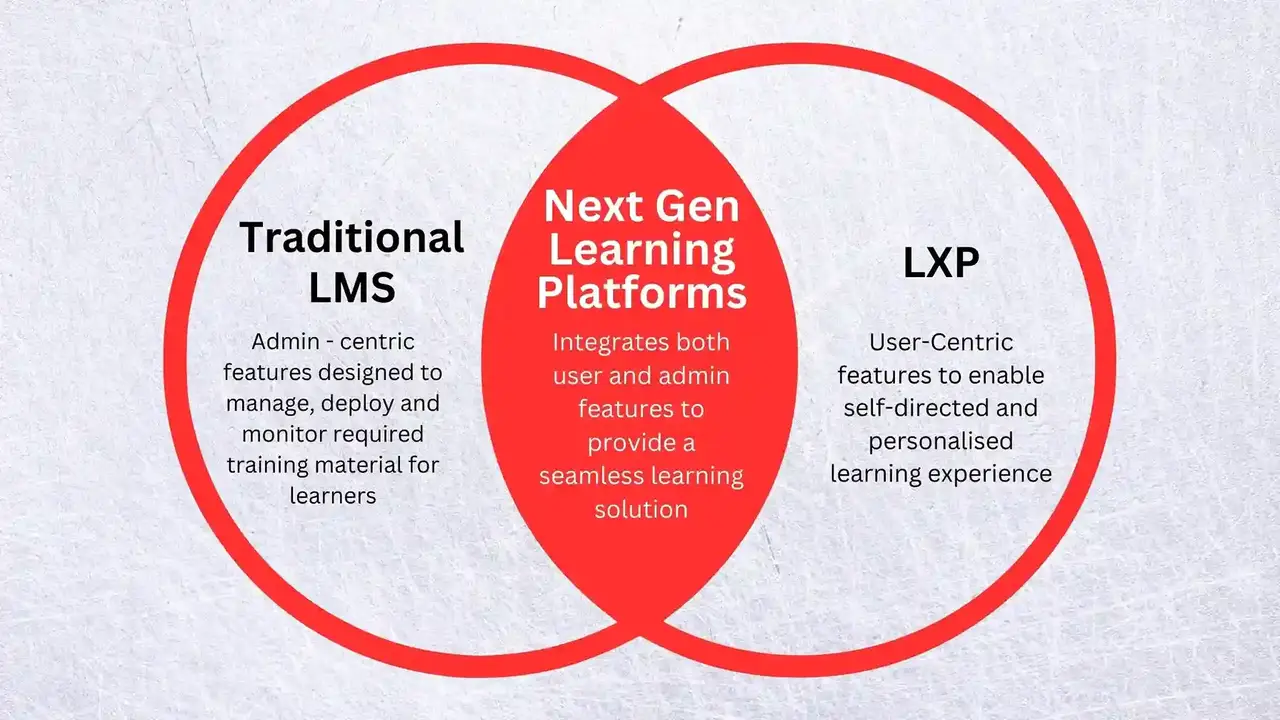
Overview: These are not standalone learning platforms but rather powerful tools for managing classrooms, assigning work, facilitating communication, and fostering collaboration. Many schools and districts use them as their primary learning management system (LMS) for online or blended learning.
Target Audience: K-12 students, teachers, and school administrators.
Key Features:
- Assignment creation and submission.
- Communication tools (announcements, chat, video calls).
- Integration with other productivity apps (Docs, Sheets, Slides, Word, Excel, PowerPoint).
- Grading and feedback tools.
- Secure and private learning environment.
Use Cases: Managing online classes, facilitating blended learning, distributing resources, collecting assignments, and enabling student-teacher communication. Essential for structured online schooling.
Pricing: Free for educational institutions (with Google Workspace for Education Fundamentals or Microsoft 365 Education A1). Paid tiers offer advanced features.
Pros: Widely adopted, robust features, excellent for organization and communication, integrates with other tools.
Cons: Requires school/district adoption, not a content provider itself, can have a learning curve for new users.
Tips for Parents and Educators Maximizing K-12 Online Learning Success
Making online learning effective for K-12 students requires more than just choosing the right platform. Here are some practical tips:
Creating a Dedicated Learning Space Focus and Productivity
Designate a specific area for online learning. This space should be quiet, free from distractions, and equipped with necessary supplies. A consistent learning environment helps students mentally transition into 'school mode' and improves focus. Ensure good lighting and a comfortable chair.
Establishing a Consistent Schedule Routine and Structure
Even with the flexibility of online learning, a consistent daily or weekly schedule is vital. This helps students develop routines, manage their time, and understand expectations. Include breaks, physical activity, and time away from screens. For younger children, visual schedules can be very helpful.
Monitoring Progress and Providing Support Active Parental Involvement
Parents play a crucial role in K-12 online learning. Regularly check in on your child's progress, review their work, and communicate with teachers. Provide encouragement and help them overcome challenges, but also foster independence. Understand when to step in and when to let them problem-solve.
Encouraging Breaks and Physical Activity Well-being and Engagement
Screen time can be exhausting. Encourage regular breaks, stretching, and physical activity throughout the day. This not only helps with physical health but also improves concentration and reduces fatigue. Incorporate outdoor time if possible.
Fostering Digital Literacy and Online Safety Responsible Internet Use
Teach K-12 students about digital citizenship, online safety, and responsible internet use. Discuss privacy, cyberbullying, and how to evaluate information critically. Monitor their online activities and use parental control software if necessary. This is especially important as they spend more time online for education.
Leveraging Community and Social Interaction Peer Connections
Online learning doesn't have to be isolating. Encourage participation in online discussion forums, virtual study groups, and extracurricular activities offered by the platform or school. Look for local meetups or clubs that align with their online learning interests to provide in-person social opportunities.
The Future of K-12 Online Education Trends and Innovations
The landscape of K-12 online education is continuously evolving. We're seeing increased integration of artificial intelligence for personalized learning paths, virtual reality (VR) and augmented reality (AR) for immersive experiences, and a greater emphasis on project-based learning. Hybrid models, combining the best of online and in-person instruction, are also gaining traction. As technology advances, online learning will become even more dynamic, engaging, and tailored to individual student needs, preparing them for a future that demands adaptability and digital fluency.
:max_bytes(150000):strip_icc()/277019-baked-pork-chops-with-cream-of-mushroom-soup-DDMFS-beauty-4x3-BG-7505-5762b731cf30447d9cbbbbbf387beafa.jpg)