Online Degree Scams How to Avoid Them
Protect yourself from online degree scams. Learn how to identify and avoid fraudulent programs and institutions. Essential information for students in the US and Southeast Asia.
Protect yourself from online degree scams. Learn how to identify and avoid fraudulent programs and institutions. Essential information for students in the US and Southeast Asia.
Online Degree Scams How to Avoid Them
The world of online education has opened up incredible opportunities for learners across the globe, offering flexibility, accessibility, and a diverse range of programs. From the bustling cities of the United States to the rapidly developing economies of Southeast Asia, more and more individuals are turning to online degrees to advance their careers, gain new skills, or simply pursue their passions. However, with this surge in popularity comes an unfortunate downside: the rise of online degree scams. These fraudulent schemes prey on unsuspecting students, promising legitimate credentials but delivering worthless paper and financial distress. Navigating the digital landscape of education requires vigilance, and understanding how to identify and avoid these scams is paramount to protecting your investment in your future.
Understanding Online Degree Scams What Are They
At its core, an online degree scam is a deceptive practice where an individual or organization offers a fake or unaccredited academic degree in exchange for money. These scams can take many forms, from diploma mills that sell degrees based on 'life experience' to unaccredited institutions that mimic legitimate universities. The common thread is the promise of a quick, easy, and often cheap path to a degree, which ultimately holds no value in the academic or professional world. For students in the US and Southeast Asia, where the demand for higher education is high, these scams pose a significant threat.
Diploma Mills vs Accreditation Mills Recognizing the Red Flags
It's crucial to distinguish between different types of fraudulent entities. Diploma mills are perhaps the most notorious. They sell degrees, diplomas, or certificates with little or no academic work required. You might pay a fee, submit a resume, and receive a 'degree' in a matter of days or weeks. These degrees are often based on 'life experience' or a minimal amount of coursework that lacks academic rigor. They often have names that sound similar to reputable universities, use impressive-looking but fake accreditation seals, and make grand promises about career advancement.
Accreditation mills, on the other hand, are organizations that claim to accredit educational institutions but are not recognized by legitimate accrediting bodies. They essentially 'accredit' diploma mills, giving them a false sense of legitimacy. A school accredited by an accreditation mill is still unaccredited in the eyes of employers and legitimate educational institutions. Always verify accreditation through recognized agencies.
Key Indicators of a Potential Online Degree Scam Protecting Your Investment
Spotting a scam requires a keen eye and a healthy dose of skepticism. Here are some critical red flags to watch out for:
No or Unrecognized Accreditation Verifying Legitimacy
This is arguably the most important factor. Legitimate online degree programs, whether in the US or Southeast Asia, are accredited by recognized accrediting agencies. In the United States, the Council for Higher Education Accreditation (CHEA) and the U.S. Department of Education (USDE) recognize accrediting bodies. For Southeast Asia, national education ministries or recognized regional bodies oversee accreditation. Always check if the institution and its programs are accredited by a legitimate agency. If a school claims accreditation but you can't find it on CHEA's or the USDE's website, or if the accrediting body itself isn't recognized, steer clear. Be wary of vague claims like 'fully accredited' without specifying the accrediting body.
Promises of Instant Degrees or Degrees for Life Experience Too Good to Be True
Earning a legitimate degree takes time, effort, and rigorous academic work. Any program that promises a degree in an unusually short period (e.g., a bachelor's degree in a few months) or offers a degree solely based on 'life experience' without any substantial academic assessment is almost certainly a scam. While some legitimate programs offer credit for prior learning, it's always part of a comprehensive academic evaluation, not a simple purchase.
Lack of Admissions Requirements Easy Entry Red Flag
Legitimate universities have clear admissions criteria, including academic transcripts, essays, and sometimes entrance exams. If an online program accepts anyone who applies, regardless of their academic background, it's a major red flag. Scammers are interested in your money, not your academic potential.
Unprofessional Website and Communication Poor Quality Indicators
While not always definitive, a poorly designed website with grammatical errors, broken links, or generic stock photos can be an indicator of a scam. Similarly, unprofessional email communication, generic addresses (e.g., @gmail.com instead of a university domain), or high-pressure sales tactics should raise suspicion. Legitimate institutions maintain a professional online presence and communicate clearly and formally.
High Pressure Sales Tactics and Immediate Payment Demands Urgency as a Weapon
Scammers often try to rush you into making a decision, emphasizing limited-time offers or threatening that you'll miss out if you don't enroll immediately. They might demand full payment upfront or use aggressive sales techniques. Legitimate institutions provide ample time for prospective students to research, ask questions, and make informed decisions.
Unrealistic Claims of Job Placement or Salary Guarantees Exaggerated Promises
While legitimate universities can provide career services and statistics on graduate employment, they rarely guarantee job placement or specific salary levels. Be extremely skeptical of any program that makes outlandish claims about guaranteed high-paying jobs immediately after graduation, especially if these claims seem disproportionate to the effort required to earn the degree.
Generic or Vague Course Descriptions Lack of Detail
Legitimate online degree programs have detailed course catalogs, syllabi, and learning outcomes. If the course descriptions are vague, generic, or simply list broad topics without specific learning objectives or faculty information, it could be a sign of a scam. Scammers often lack the actual curriculum to back up their claims.
How to Verify an Online Degree Program Due Diligence is Key
Before committing to any online degree program, thorough research is essential. Here's how to conduct your due diligence:
Check Accreditation Status Official Sources
For US-based institutions, visit the Council for Higher Education Accreditation (CHEA) website (www.chea.org) and the U.S. Department of Education (USDE) database (ope.ed.gov/dapip/#/home). These are the definitive sources for recognized accrediting agencies and accredited institutions. For institutions in Southeast Asia, consult the official websites of the respective national ministries of education or higher education commissions. For example, in the Philippines, check the Commission on Higher Education (CHED); in Malaysia, the Ministry of Higher Education (MOHE); in Singapore, the Ministry of Education (MOE).
Research the Institution Thorough Background Check
Look up the institution's history, faculty credentials, and physical address. Does it have a legitimate campus, even if the program is online? Are the faculty members listed with their academic qualifications and professional experience? Search for reviews and testimonials from current and former students, but be wary of overly positive or generic reviews that might be fabricated. Check news articles or consumer protection websites for any complaints or warnings.
Contact the Admissions Office Directly Ask Questions
Call the institution's official phone number (not just a mobile number) and speak to an admissions representative. Ask detailed questions about accreditation, curriculum, faculty, student support services, and financial aid. A legitimate institution will be transparent and willing to provide comprehensive answers.
Review the Curriculum and Faculty Credentials Detailed Scrutiny
Request detailed syllabi for courses you're interested in. Research the faculty members listed – check their LinkedIn profiles, academic publications, and professional affiliations. Legitimate faculty members will have verifiable academic backgrounds and expertise in their fields.
Understand the Cost and Financial Aid Transparency in Pricing
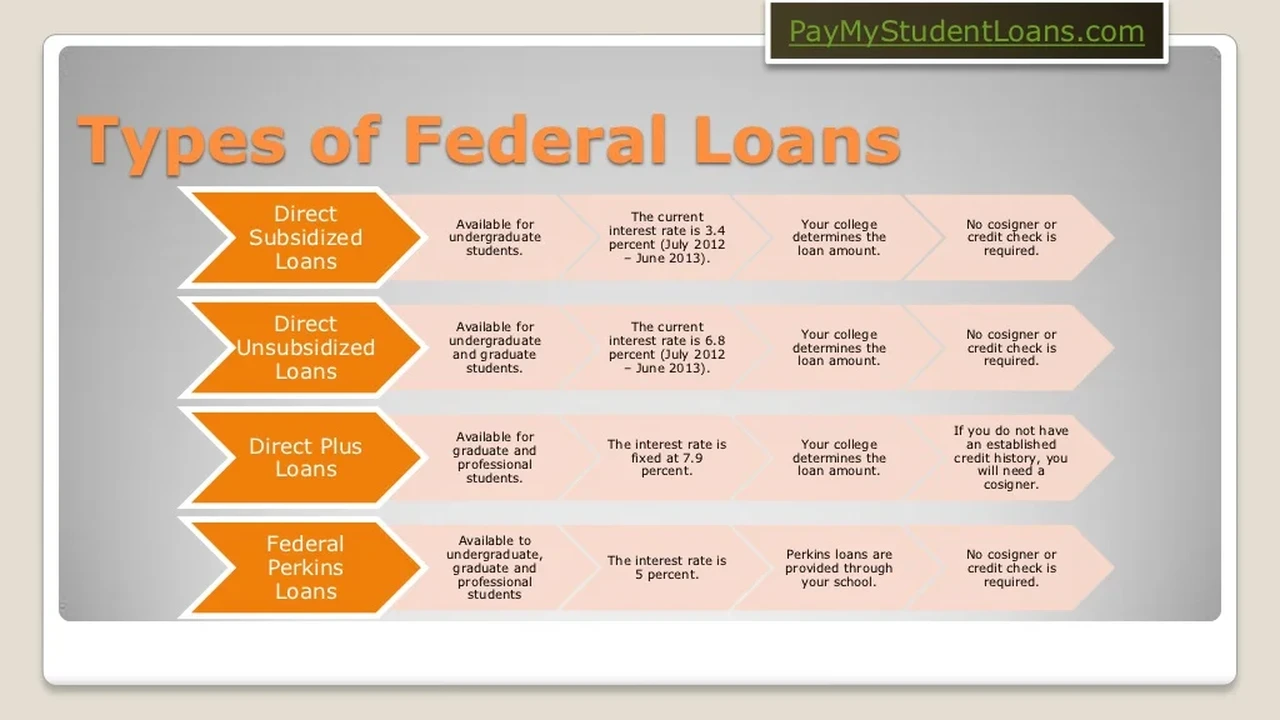
Ensure you have a clear understanding of all costs involved, including tuition, fees, and any additional expenses. Be cautious if the pricing seems unusually low or if there are hidden fees. Inquire about legitimate financial aid options, such as federal student aid (for US students), scholarships, or institutional grants. Scammers often demand upfront payment with no clear breakdown of costs.
Specific Products and Services to Be Wary Of Examples and Comparisons
While it's difficult to name every single scam, understanding the types of offerings that often lead to fraudulent degrees can help. Here are some examples of what to look out for, often disguised as legitimate opportunities:
'Life Experience Degrees' Quick Credentials
These are classic diploma mill offerings. They promise a degree based on your work experience, hobbies, or general knowledge, often for a flat fee. You might fill out a form, pay a few hundred to a few thousand dollars, and receive a fancy-looking diploma in the mail. These degrees are universally worthless. There's no legitimate 'life experience degree' that bypasses academic rigor. While some universities offer 'prior learning assessment' (PLA) for college credit, it's a rigorous process, not a purchase.
Unaccredited Online Universities Mimicking Legitimacy
These institutions often have professional-looking websites, impressive-sounding names (e.g., 'Global University of Advanced Studies,' 'International Institute of Technology'), and even claim to have campuses. However, a quick check of their accreditation status will reveal they are not recognized. They might offer a wide range of degrees, from associate to doctoral, across many fields. The 'degrees' they issue will not be accepted by employers, licensing boards, or other educational institutions.
Fake Accreditation Agencies The Illusion of Authority
Some scam institutions create their own fake accreditation agencies to give the illusion of legitimacy. These agencies often have names that sound official (e.g., 'World Association of Universities and Colleges,' 'International Accreditation Commission'). Always verify the accrediting agency itself through CHEA or the USDE in the US, or the relevant government body in Southeast Asia. If the accrediting agency isn't recognized by these official bodies, then any institution it 'accredits' is not legitimately accredited.
'Degree Verification Services' for Fake Degrees Post-Scam Exploitation
Some scammers even offer 'degree verification services' for the fake degrees they sell. This is another layer of deception, designed to extract more money from victims. A legitimate degree is verified by the issuing institution or through recognized third-party services that work directly with accredited universities.
Protecting Yourself and Reporting Scams Taking Action
If you suspect an online degree program is a scam, or if you've unfortunately fallen victim to one, here's what you can do:
Do Not Engage or Provide Personal Information Stay Safe
If something feels off, do not provide any personal information, financial details, or make any payments. Disengage from communication immediately.
Report Suspected Scams Consumer Protection
In the United States, you can report suspected scams to the Federal Trade Commission (FTC) at www.ftc.gov. You can also report them to your state's Attorney General's office. For Southeast Asian countries, report to your national consumer protection agencies or the Ministry of Education. For example, in the Philippines, the Department of Trade and Industry (DTI) or CHED; in Malaysia, the Ministry of Domestic Trade and Consumer Affairs (MDTCA) or MOHE.
Contact Your Bank or Credit Card Company Financial Recourse
If you've already made a payment, contact your bank or credit card company immediately to report the fraudulent transaction. They may be able to help you recover your funds.
Share Your Experience Help Others Avoid Scams
Consider sharing your experience on reputable consumer review sites or educational forums. Your story can help others avoid falling victim to similar scams.
The Value of a Legitimate Online Degree Long Term Benefits
It's important to remember that legitimate online degrees are highly valuable and widely recognized. They offer the same academic rigor and career opportunities as their on-campus counterparts. Don't let the existence of scams deter you from pursuing a genuine online education. By being informed, vigilant, and conducting thorough research, you can confidently choose an accredited online program that will truly enhance your career and personal growth. The key is to prioritize accreditation, academic quality, and transparency above all else. Your future is worth the effort of careful selection.
:max_bytes(150000):strip_icc()/277019-baked-pork-chops-with-cream-of-mushroom-soup-DDMFS-beauty-4x3-BG-7505-5762b731cf30447d9cbbbbbf387beafa.jpg)