Online vs On Campus Learning Which is Right for You
Decide between online and on-campus learning. A detailed comparison to help you choose the best educational environment.

Decide between online and on-campus learning. A detailed comparison to help you choose the best educational environment.
Online vs On Campus Learning Which is Right for You
Understanding Online Learning Flexibility and Accessibility
Hey there! So, you're thinking about going back to school or starting your higher education journey, but you're stuck at a crossroads: online learning or traditional on-campus learning? It's a big decision, and honestly, there's no one-size-fits-all answer. What's right for your best friend might not be right for you, and that's totally okay. Let's dive deep into both options, weigh their pros and cons, and help you figure out which path aligns best with your lifestyle, learning style, and career goals, especially if you're in the US or Southeast Asia.
First up, let's talk about online learning. The biggest draw here is undoubtedly flexibility. Imagine being able to attend lectures in your pajamas, from your living room, a coffee shop, or even while traveling. That's the reality for millions of online students. This flexibility is a game-changer for many, particularly those juggling work, family responsibilities, or other commitments. You're not tied to a physical classroom schedule, which means you can often set your own pace for studying and completing assignments. This asynchronous learning model, where you access materials and submit work on your own schedule, is incredibly popular. However, some online programs also offer synchronous elements, like live virtual classes, which require you to log in at specific times. It's important to check the program structure before enrolling.
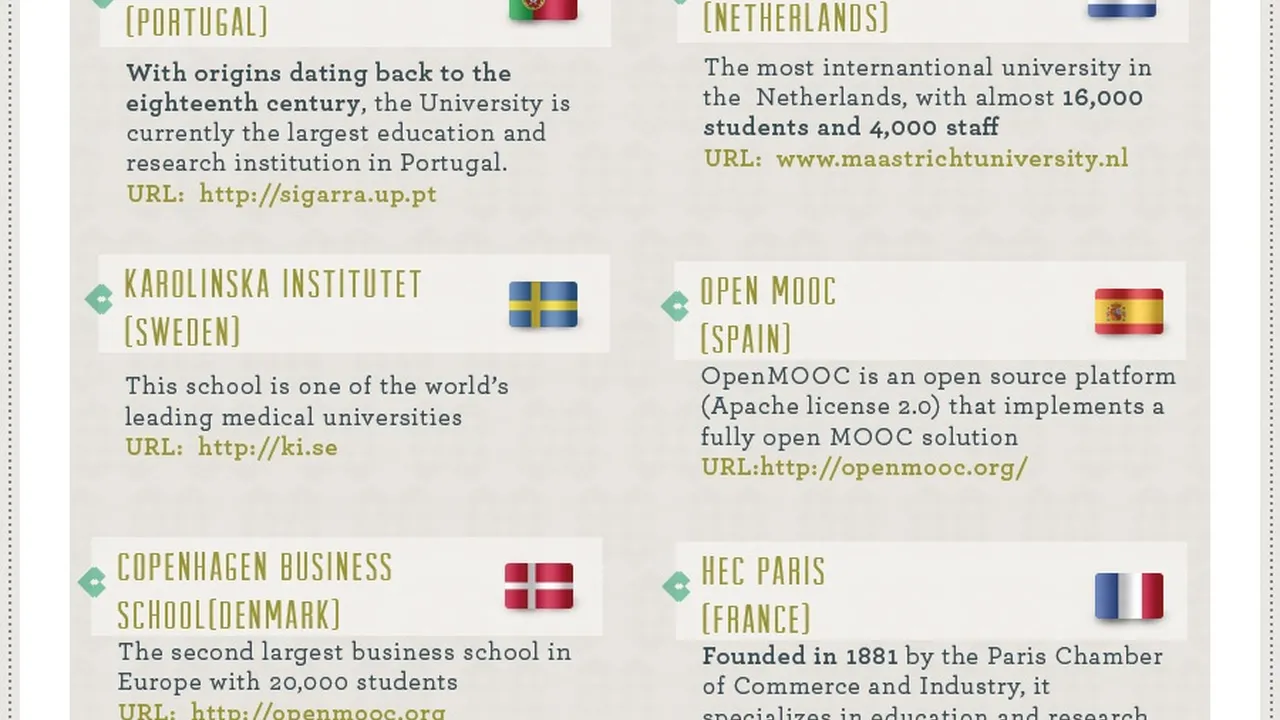
Accessibility is another huge win for online education. Geographic barriers? Gone. Physical disabilities that might make commuting difficult? Less of an issue. Online learning opens up educational opportunities to a much broader audience. You can pursue a degree from a top university in another state or even another country without having to relocate. This is particularly beneficial for students in Southeast Asia looking to access US-based degree programs, or vice versa, without the significant cost and disruption of international relocation. Think about the cost savings on housing, transportation, and even daily meals – these can add up to a substantial amount over the course of a degree.
But here's the thing about flexibility and accessibility: they come with a need for strong self-discipline. Without a fixed schedule and the physical presence of instructors and peers, it's easy to procrastinate. You need to be your own motivator, set your own deadlines, and stick to them. This isn't for everyone, and that's perfectly fine. If you thrive on structure and external accountability, online learning might require a significant adjustment or might not be the best fit.
Exploring On Campus Learning Community and Structure
Now, let's shift gears and look at on-campus learning. This is the traditional college experience many of us grew up imagining: bustling campuses, lecture halls, libraries, and dorm life. The most significant advantage of on-campus learning is the immersive experience and the strong sense of community it fosters. You're surrounded by peers and faculty, leading to countless opportunities for in-person interaction, networking, and collaborative learning. Group projects, study sessions, and casual conversations in the student union all contribute to a rich social and academic environment.
For many, the structured environment of on-campus learning is a huge plus. Fixed class schedules, regular office hours with professors, and dedicated study spaces like libraries provide a clear framework that can help keep you on track. This external structure can be incredibly beneficial if you struggle with self-motivation or prefer a more guided learning experience. The immediate feedback you get from in-person discussions and questions can also be invaluable for understanding complex topics.
Beyond academics, on-campus life offers a wealth of extracurricular activities, clubs, sports, and social events. These experiences are crucial for personal development, building leadership skills, and creating lifelong friendships. For international students, especially those from Southeast Asia coming to the US, the on-campus experience can be a transformative cultural immersion, offering a chance to experience a new country and its customs firsthand. Universities often have extensive support services, including career centers, counseling services, and health clinics, all readily accessible on campus.
However, on-campus learning comes with its own set of challenges. The cost can be significantly higher, especially when you factor in tuition, room and board, transportation, and other living expenses. The lack of flexibility can also be a hurdle for those with existing commitments. Commuting can be time-consuming and stressful, and relocating for college might not be feasible for everyone. For working professionals or parents, the rigid schedule of on-campus classes can be a deal-breaker.
Comparing Learning Styles Which Environment Suits You
Your personal learning style plays a massive role in determining which environment will be most effective for you. Are you an independent learner who thrives on self-directed study, or do you prefer a more interactive, collaborative approach? Let's break it down.
Independent Learners Online Degree Programs
If you're an independent learner, online education might be your sweet spot. You enjoy working at your own pace, researching topics on your own, and taking responsibility for your learning journey. You're comfortable with technology and can navigate online learning platforms with ease. You don't necessarily need constant external motivation and can manage your time effectively to meet deadlines. Online programs often provide a wealth of digital resources, and if you're good at seeking out information and engaging with it autonomously, you'll likely excel.
Collaborative Learners On Campus Education Benefits
On the other hand, if you're a collaborative learner, you probably thrive in environments where you can interact with others, discuss ideas, and learn through group activities. You might prefer asking questions in real-time, participating in debates, and getting immediate feedback from instructors and peers. The energy of a classroom setting, the spontaneous discussions, and the opportunity to work on projects face-to-face are all things that motivate you. If you learn best by doing and interacting, the hands-on experiences and direct engagement offered by on-campus programs could be more beneficial.
Hybrid Learning Blending Online and On Campus Approaches
It's also worth noting that there's a middle ground: hybrid learning. Many institutions now offer programs that combine elements of both online and on-campus learning. This might involve attending some classes in person and completing others online, or having a mix of synchronous and asynchronous components. Hybrid models can offer the best of both worlds, providing some flexibility while still maintaining a sense of community and structure. If you're torn between the two, a hybrid program could be an excellent compromise to explore.
Technology and Resources Essential Tools for Online and On Campus Students
Regardless of whether you choose online or on-campus, technology plays a crucial role in modern education. However, the specific tools and resources you'll rely on can differ significantly.
Online Learning Platforms and Digital Tools for Remote Study
For online students, a reliable internet connection and a functional computer are non-negotiable. You'll be spending a lot of time on Learning Management Systems (LMS) like Canvas, Blackboard, Moodle, or Brightspace. These platforms are your virtual classroom, housing course materials, assignments, discussion forums, and gradebooks. You'll also use video conferencing tools like Zoom, Google Meet, or Microsoft Teams for live sessions or group meetings. Cloud storage services (Google Drive, Dropbox, OneDrive) are essential for saving and sharing documents. Productivity software like Microsoft Office Suite or Google Workspace is a must for creating assignments and presentations. Some programs might require specialized software, so always check the technical requirements before enrolling.
Here are a few popular platforms and tools that online students frequently use:
- Canvas: Widely used by universities in the US and increasingly in Southeast Asia. It's known for its user-friendly interface and robust features for course management. Many institutions offer free access to students.
- Blackboard Learn: Another very common LMS, especially in the US. It offers comprehensive tools for content delivery, assessments, and communication.
- Zoom: Essential for synchronous online classes, virtual office hours, and group meetings. Free basic accounts are available, but universities usually provide premium accounts to students.
- Google Workspace (formerly G Suite): Includes Docs, Sheets, Slides, and Drive. Excellent for collaborative work and cloud storage. Many universities offer free student accounts.
- Microsoft 365: Similar to Google Workspace, offering Word, Excel, PowerPoint, and OneDrive. Also often provided free or at a discounted rate by educational institutions.
- Grammarly: An AI-powered writing assistant that helps with grammar, spelling, punctuation, and style. A free version is available, with premium features for more in-depth analysis. This is a lifesaver for academic writing.
- Zotero / Mendeley: Free reference management software that helps you collect, organize, cite, and share research sources. Invaluable for academic papers.
On Campus Resources Libraries Labs and Support Services
On-campus students also rely on technology, but their access to physical resources is a key differentiator. University libraries offer vast collections of books, journals, and databases, often with dedicated study spaces and librarians who can provide in-person research assistance. Computer labs with specialized software, science labs, art studios, and engineering workshops provide hands-on learning opportunities that are difficult to replicate online.
Beyond academic resources, on-campus students benefit from a wide array of support services. These include academic advising, career services, writing centers, tutoring centers, counseling services, health clinics, and disability support services. The convenience of having these resources physically present and easily accessible can significantly enhance the student experience. For example, if you're struggling with a particular subject, you can walk into a tutoring center and get immediate help. If you're feeling overwhelmed, a quick visit to the counseling center can provide much-needed support.
Cost Considerations Tuition Fees and Living Expenses
Money matters, and the financial implications of online versus on-campus learning can be substantial. It's not just about tuition; you need to consider the full cost of attendance.
Online Degree Affordability Reducing Overall Education Costs
Generally, online degrees tend to be more affordable than their on-campus counterparts. While tuition rates per credit hour might be similar in some cases, the real savings come from reduced or eliminated living expenses. You save on room and board, transportation (commuting costs, gas, public transport fares), and often textbooks (many online courses use digital materials). Some online programs also have lower administrative fees. For students in Southeast Asia considering a US degree, the ability to study from home eliminates the massive costs associated with international relocation, visas, and higher living expenses in the US.
However, don't assume all online degrees are cheap. Prestigious universities often charge similar tuition for their online programs as they do for on-campus ones. Always compare the total cost of attendance, including any technology fees, proctoring fees for exams, and the cost of required software or materials. Financial aid, scholarships, and grants are available for online students, so make sure to explore those options thoroughly.
On Campus Expenses Tuition Room Board and Additional Fees
On-campus education typically involves a higher price tag. Tuition is just one piece of the puzzle. Room and board, which covers housing and meal plans, can be a significant expense, often thousands of dollars per semester. Then there are mandatory university fees for things like student activities, health services, and facility usage. Textbooks, supplies, and personal expenses also add up. For international students, health insurance is usually a mandatory and costly requirement. While the on-campus experience offers unique benefits, it's crucial to have a clear understanding of the financial commitment involved.
Let's look at some examples of costs (these are approximate and can vary wildly by institution and location):
- University of Phoenix (Online): Tuition for a bachelor's degree can range from $395 to $695 per credit. A 120-credit bachelor's degree could cost between $47,400 and $83,400. No room and board, minimal transportation costs.
- Arizona State University (ASU Online): A highly-ranked online institution. Bachelor's degree tuition can be around $560-$660 per credit. A 120-credit degree might be $67,200 to $79,200. Again, no room and board.
- University of California Berkeley (On-Campus): In-state tuition for undergraduates is around $14,000 per year, but out-of-state tuition is about $44,000 per year. Add room and board (around $17,000-$20,000 per year) and other expenses, and the total cost can easily exceed $30,000 for in-state and $60,000+ for out-of-state students annually.
- National University of Singapore (NUS - On-Campus): For a Bachelor's degree, annual tuition for international students can be around S$30,000 (approx. US$22,000). Add living expenses (housing, food, transport) of S$10,000-S$15,000 (US$7,500-US$11,000) per year, bringing the total to US$30,000-US$33,000 annually.
As you can see, the cost difference can be substantial, especially for international students. It's vital to research specific program costs and factor in all potential expenses.
Career Outcomes and Employer Perceptions Online vs Traditional Degrees
A common concern for prospective students is how employers view online degrees compared to traditional ones. The good news is that the stigma once associated with online degrees has largely diminished, especially for accredited programs from reputable institutions.
Employer Acceptance and Online Degree Accreditation Importance
In today's job market, employers are increasingly focused on skills, experience, and the reputation of the issuing institution, rather than the mode of delivery. An online degree from a well-known, accredited university is generally viewed just as favorably as an on-campus degree from the same institution. The key here is accreditation. Always ensure that any online program you consider is regionally accredited in the US (or nationally recognized in Southeast Asia). This ensures the quality of the education and that your degree will be recognized by other educational institutions and employers.
Many employers even see online degrees as a positive, indicating that the graduate possesses strong self-discipline, time management skills, and technological proficiency – all highly valued traits in the modern workforce. For mid-career professionals, an online degree demonstrates a commitment to continuous learning and career advancement while managing existing responsibilities.
Networking Opportunities and Career Services for Both Paths
While on-campus learning traditionally offers more organic networking opportunities through clubs, events, and direct interaction, online programs have also evolved to provide robust networking avenues. Many online programs incorporate virtual group projects, discussion forums, and online professional communities. Universities often extend their career services to online students, offering virtual career fairs, resume reviews, interview coaching, and job placement assistance. Alumni networks are also a powerful tool for both online and on-campus graduates.
Ultimately, the value of your degree, whether online or on-campus, comes down to the quality of the program, your effort, and how effectively you leverage the skills and knowledge gained. Both paths can lead to successful career outcomes, provided you choose a reputable program and actively engage with your education.
Student Support Services Ensuring Success in Any Environment
No matter which path you choose, having access to strong student support services is crucial for your success. These services can make a significant difference in your academic journey and overall well-being.
Online Student Support Virtual Advising and Technical Assistance
For online students, support services are typically delivered virtually. This includes academic advising via email, phone, or video calls, technical support for navigating learning platforms, and online tutoring services. Many institutions offer 24/7 technical support, which is incredibly helpful when you're studying at odd hours. Online writing centers can review your papers, and virtual counseling services are becoming more common. The key is knowing where to find these resources and actively utilizing them. Don't hesitate to reach out if you're struggling; universities want you to succeed.
On Campus Support Academic Advising Counseling and Health Services
On-campus students benefit from the convenience of in-person support. Academic advisors are readily available for face-to-face meetings, helping you plan your courses and navigate your degree path. Counseling services offer mental health support, and campus health clinics provide medical care. Disability services ensure that all students have the accommodations they need. These physical resources create a safety net and a sense of belonging that can be very reassuring for students, especially those living away from home for the first time.
Making Your Decision Personal Factors and Future Goals
So, how do you make the final call? It boils down to a careful consideration of your personal circumstances, learning preferences, and future aspirations.
Self Assessment Your Learning Style and Lifestyle Compatibility
Ask yourself: Am I self-motivated and disciplined enough for online learning? Do I thrive in a structured environment with in-person interaction? Do I have existing commitments (work, family) that make a traditional schedule difficult? What's my budget for education? How comfortable am I with technology? Your answers to these questions will provide significant clarity.
Long Term Career Goals and Educational Path Alignment
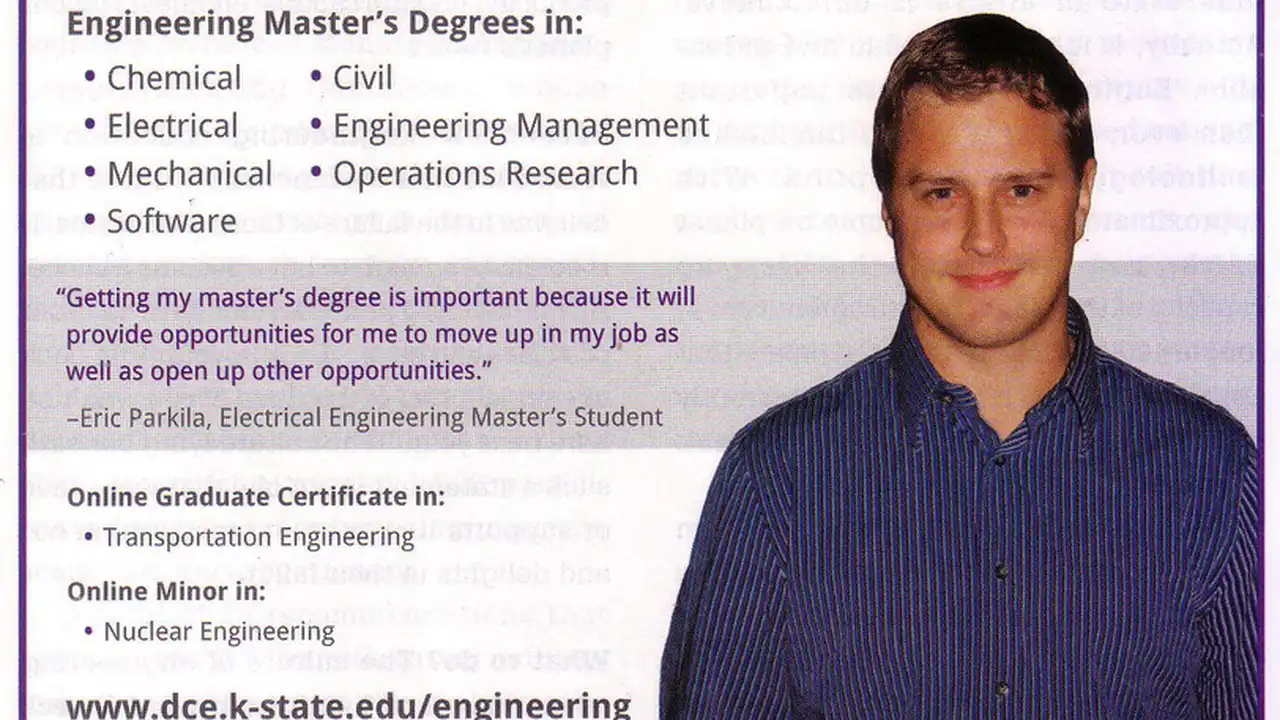
Consider your career goals. Does your chosen field value specific hands-on experience that an on-campus program might offer? Or is a degree from a reputable institution, regardless of delivery method, sufficient? For some professions, like certain engineering or medical fields, the practical lab work of an on-campus program might be indispensable. For others, like business, IT, or many humanities fields, an online degree is perfectly acceptable and often preferred for its flexibility.
Think about the type of degree you're pursuing. A PhD might require more direct faculty mentorship, which could be easier to foster in an on-campus setting, though many online PhD programs are now very robust. A bachelor's or master's degree, especially in fields like business, education, or computer science, is often very well-suited for online delivery.
Ultimately, both online and on-campus learning offer valuable educational experiences. The 'right' choice is the one that best supports your individual needs, helps you achieve your academic and career goals, and fits seamlessly into your life. Do your research, talk to current students or alumni from both types of programs, and trust your gut. Good luck with your educational journey!
:max_bytes(150000):strip_icc()/277019-baked-pork-chops-with-cream-of-mushroom-soup-DDMFS-beauty-4x3-BG-7505-5762b731cf30447d9cbbbbbf387beafa.jpg)