Comparing Online vs Traditional Degrees Pros and Cons
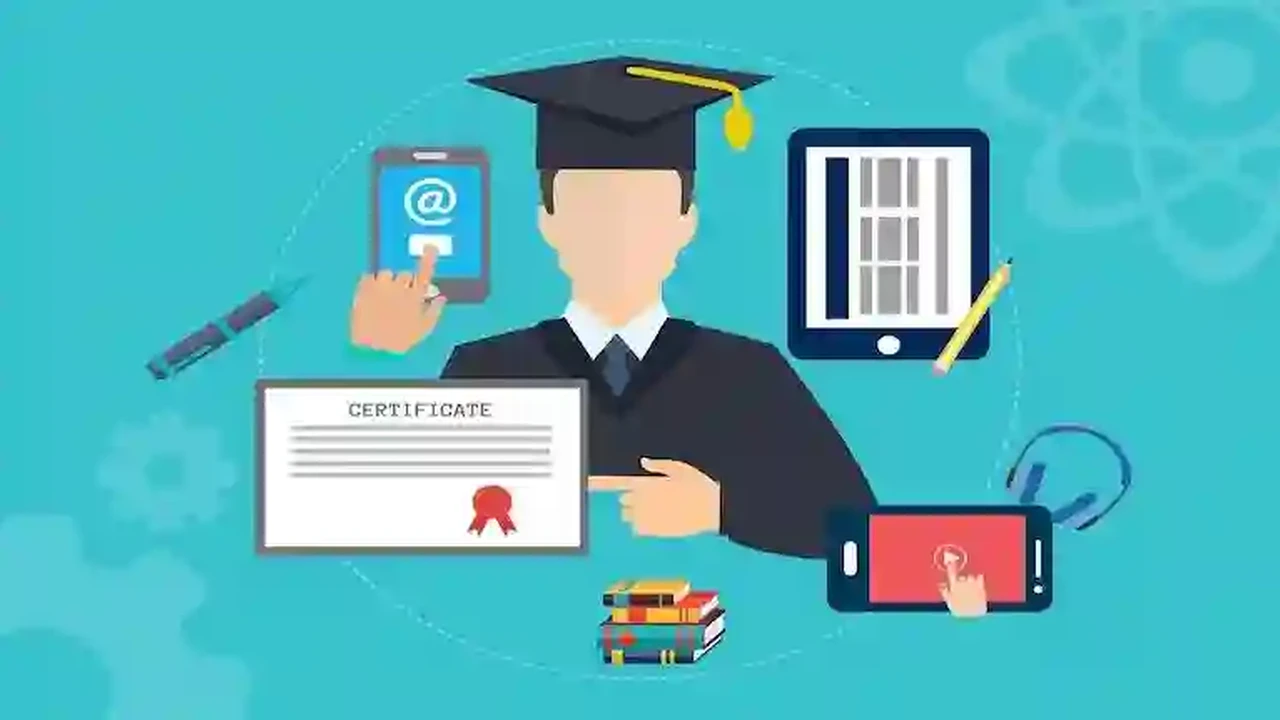
Understand the advantages and disadvantages of online degrees versus traditional degrees. Make an informed decision for your education path.
Understand the advantages and disadvantages of online degrees versus traditional degrees. Make an informed decision for your education path.
Comparing Online vs Traditional Degrees Pros and Cons
Deciding whether to pursue an online degree or a traditional, on-campus degree is a huge decision, and it's one that many students in the US and Southeast Asia grapple with today. Both paths offer unique benefits and drawbacks, and what's right for one person might not be ideal for another. It really boils down to your personal circumstances, learning style, career goals, and even your financial situation. Let's dive deep into the pros and cons of each to help you make the most informed choice for your educational journey.
Online Degrees Flexibility and Accessibility for Modern Learners
One of the biggest draws of online degrees is, without a doubt, their incredible flexibility. Imagine being able to attend lectures, complete assignments, and even take exams from the comfort of your own home, a local coffee shop, or even while traveling. This level of flexibility is a game-changer for many, especially those who are juggling work, family responsibilities, or other commitments. You're not tied to a physical classroom schedule, which means you can often set your own pace and study when it suits you best. This asynchronous learning model is particularly appealing to working professionals looking to upskill or career changers who can't afford to put their lives on hold for a traditional degree.
Accessibility is another major advantage. Online programs open up educational opportunities to a much wider audience. If you live in a rural area with limited access to universities, or if you have physical disabilities that make commuting to a campus challenging, online learning removes those barriers. It also allows you to access programs from top-tier universities that might be geographically out of reach. For instance, a student in Vietnam could pursue a degree from a prestigious US university without ever leaving their home country, saving significantly on relocation and living expenses.
Furthermore, online learning often fosters a sense of self-discipline and time management. Because you're largely responsible for your own schedule, you develop crucial organizational skills that are highly valued in the professional world. You learn to prioritize tasks, manage deadlines, and take initiative – all excellent qualities for any career path.
Traditional Degrees Immersive Campus Experience and Networking
On the flip side, traditional degrees offer an experience that online learning simply can't replicate: the immersive campus environment. This isn't just about attending classes; it's about the entire college lifestyle. Living in dorms, joining student clubs, participating in sports, attending campus events – these are all integral parts of the traditional university experience. For many, these social aspects are just as important as the academic ones, providing opportunities for personal growth, developing social skills, and forming lifelong friendships.
The face-to-face interaction with professors and peers is another significant benefit. In a traditional classroom, you can ask questions in real-time, engage in spontaneous discussions, and receive immediate feedback. This direct interaction can be incredibly valuable for complex subjects or for students who thrive in a more collaborative, in-person setting. Professors often have office hours where you can drop in for one-on-one guidance, which can be a huge advantage for academic support and mentorship.
Networking opportunities are also a major draw of traditional campuses. You're surrounded by a diverse group of students, faculty, and alumni, creating a rich environment for professional connections. Career fairs, guest speaker events, and campus organizations provide direct access to potential employers and industry leaders. These in-person connections can be invaluable for internships, job placements, and future career advancement. Many traditional universities also have robust alumni networks that can provide mentorship and job leads long after graduation.
Cost Comparison Online vs On Campus Education Expenses
When it comes to cost, it's not always as straightforward as it seems. While online degrees often boast lower tuition fees, you need to consider the full picture. For traditional degrees, tuition is just one part of the equation. You also have to factor in housing (dorm fees or off-campus rent), meal plans, transportation, textbooks, and various campus fees. These can quickly add up, making the overall cost of a traditional degree significantly higher.
Online degrees, on the other hand, typically eliminate many of these ancillary costs. You save on commuting, housing, and often even textbooks (as many online courses use digital materials). However, you might still incur costs for technology (a reliable computer, good internet connection), and some online programs might have specific software requirements. It's crucial to compare the total cost of attendance, not just the tuition fees, when making your decision.
Many institutions are now offering hybrid models, which combine elements of both online and traditional learning, potentially offering a middle ground in terms of cost and experience. Always check the detailed fee structures for any program you're considering, both online and traditional, to get an accurate financial picture.
Learning Styles and Academic Success Online vs Traditional Environments
Your personal learning style plays a huge role in determining which educational path will lead to greater academic success. If you're a self-starter, highly motivated, and comfortable with independent study, an online degree might be a perfect fit. You'll thrive on the autonomy and the ability to learn at your own pace. Online platforms often utilize a variety of multimedia resources, discussion forums, and virtual collaboration tools, which can be very engaging for certain learners.
However, if you prefer a structured environment, thrive on direct interaction, and benefit from immediate feedback, a traditional classroom setting might be more conducive to your learning. Some students find the lack of face-to-face interaction in online courses isolating or struggle with the self-discipline required to stay on track. The accountability of regular class attendance and in-person assignments can be a strong motivator for many.
Consider your past academic experiences. Did you excel in independent projects or group work? Do you prefer reading textbooks or listening to lectures? Understanding your own learning preferences will be key to choosing the environment where you're most likely to succeed.
Technology and Resources for Online and Traditional Students
Both online and traditional learning environments rely heavily on technology, but in different ways. For online students, a reliable computer, stable internet connection, and familiarity with learning management systems (LMS) like Canvas, Blackboard, or Moodle are absolutely essential. You'll be using these platforms daily for accessing course materials, submitting assignments, participating in discussions, and communicating with instructors. Many online programs also utilize video conferencing tools for live sessions or virtual office hours. Investing in good quality headphones and a webcam can also enhance your online learning experience.
Traditional students also use technology extensively, but often as a supplement to in-person instruction. They'll use the LMS for course materials and assignment submissions, but their primary learning often happens in physical classrooms. Traditional campuses, however, offer a wealth of physical resources: state-of-the-art libraries, computer labs, specialized research facilities, and dedicated study spaces. These resources can be invaluable for certain fields of study, such as engineering, science, or fine arts, where hands-on access to equipment is crucial.
When choosing, consider what kind of resources are most important for your field. If your degree requires extensive lab work or access to specialized equipment, a traditional campus might be more suitable. If your field is more theoretical or can be learned effectively through digital resources, an online program could be a great option.
Accreditation and Recognition Ensuring Quality Education
Regardless of whether you choose an online or traditional path, accreditation is paramount. Accreditation ensures that a program or institution meets certain quality standards. For US students, look for regional accreditation, which is the most respected type. For international students, especially in Southeast Asia, understanding the accreditation landscape in both the US (if pursuing a US degree) and your home country is vital. A degree from an unaccredited institution might not be recognized by employers or other educational institutions, making it essentially worthless.
Most reputable online degree programs are offered by regionally accredited universities, meaning their online degrees hold the same weight and recognition as their on-campus counterparts. However, there are also many online-only institutions, and it's crucial to verify their accreditation status independently. Don't just take their word for it; check with official accrediting bodies.
The recognition of online degrees by employers has also significantly improved over the years. As online learning has become more sophisticated and widespread, employers are increasingly accepting and even valuing online credentials, especially from well-known universities. The key is the quality of the institution and the program, not just the delivery method.
Social Interaction and Community Building Online vs Campus Life
This is often where the biggest perceived difference lies. Traditional campuses are hubs of social activity. You're constantly interacting with people – in classes, at the dining hall, in student organizations, and during social events. This constant interaction helps build a strong sense of community, fosters diverse perspectives, and provides opportunities for personal development outside of academics.
Online learning, by its nature, can sometimes feel more isolating. While online programs do incorporate discussion forums, group projects, and virtual meetups, these interactions might not fully replicate the spontaneity and depth of in-person connections. However, many online students actively seek out and build strong online communities. They might form study groups, connect through social media, or participate in virtual clubs related to their field of study. Some online programs even organize optional in-person residencies or networking events to bridge this gap.
It's important to be proactive in building connections if you choose an online path. Don't expect social interaction to just happen; you'll need to seek it out. For some, the ability to focus purely on academics without the distractions of campus social life is a benefit, while for others, it's a significant drawback.
Career Outcomes and Employer Perceptions Online vs Traditional Graduates
In today's job market, the distinction between online and traditional degrees is becoming less significant, especially for reputable institutions. Employers are increasingly focused on skills, experience, and the quality of the education, rather than the delivery method. Many hiring managers recognize that online graduates often possess strong self-discipline, time management skills, and technological proficiency – qualities that are highly valued in the modern workplace.
However, there can still be some lingering perceptions, particularly in more traditional industries or for very specific roles. It's always a good idea to research employer attitudes in your desired field. The key is to ensure your online degree comes from an accredited and respected institution. If you're concerned, you can always highlight the skills you gained through online learning (e.g., independent problem-solving, digital collaboration) on your resume and during interviews.
Ultimately, your career success will depend more on your performance, your networking efforts, and your ability to apply what you've learned, regardless of how you obtained your degree. Many online programs are specifically designed with career advancement in mind, offering practical skills and industry-relevant curricula.
Specific Product Recommendations and Use Cases for Online Learning
When we talk about online learning, it's not just about the degree itself, but also the tools and platforms that facilitate it. Here are some key products and services that enhance the online learning experience, along with their typical use cases and pricing considerations:
Learning Management Systems LMS for Online Course Delivery
These are the backbone of almost every online degree program. They host course content, facilitate communication, and manage assignments. While students typically don't choose the LMS, understanding how they work is crucial.
- Canvas by Instructure: Widely used by universities globally, including many in the US and Southeast Asia. It's known for its user-friendly interface, robust features for assignments, quizzes, discussion boards, and integrations with other tools.
- Blackboard Learn: Another very popular LMS, especially in the US. It offers comprehensive tools for course management, collaboration, and assessment.
- Moodle: An open-source LMS, highly customizable and used by a vast number of institutions worldwide. It's flexible but can sometimes have a steeper learning curve for new users.
Use Case: These are essential for accessing all your course materials, submitting homework, participating in online discussions, and checking your grades. You'll interact with one of these daily as an online student.
Pricing: Typically covered by your tuition fees, as institutions license these platforms. Students usually don't pay directly for LMS access.
Video Conferencing Tools for Virtual Classrooms and Meetings
For synchronous online classes, virtual office hours, and group project meetings, video conferencing tools are indispensable.
- Zoom: The most popular choice for its reliability, ease of use, and features like screen sharing, breakout rooms, and recording. Many universities have institutional licenses.
- Microsoft Teams: Often integrated with university email systems (especially if they use Office 365). It combines video conferencing with chat, file sharing, and project management features.
- Google Meet: Simple, integrated with Google Workspace, and good for quick meetings or smaller group collaborations.
Use Case: Attending live lectures, participating in virtual study groups, meeting with professors during office hours, and collaborating on group projects with classmates who might be in different time zones.
Pricing: Basic versions are often free, but universities typically provide premium accounts for students and faculty, offering longer meeting times and more features.
Productivity Suites for Assignments and Collaboration
You'll need reliable software for writing papers, creating presentations, and managing data.
- Microsoft 365 (Word, Excel, PowerPoint): The industry standard. Many universities offer free or heavily discounted licenses to students. Essential for document creation, spreadsheets, and presentations.
- Google Workspace (Docs, Sheets, Slides): Excellent for real-time collaboration. Multiple people can work on the same document simultaneously, which is fantastic for group projects. It's cloud-based, so accessible from anywhere.
- LibreOffice/OpenOffice: Free, open-source alternatives to Microsoft Office. Good if you don't have access to paid suites, but might lack some advanced features or perfect compatibility.
Use Case: Writing essays, creating reports, developing presentations, managing research data, and collaborating on shared documents with classmates.
Pricing: Microsoft 365 for students is often free or heavily discounted through university portals (e.g., $0-$10/month). Google Workspace is free with a Google account, and universities often provide enhanced versions. LibreOffice is free.
Reference Management Tools for Research and Citations
For academic writing, managing your sources and citations correctly is crucial.
- Zotero: A free, open-source tool that helps you collect, organize, cite, and share research sources. It integrates with word processors to easily generate bibliographies.
- Mendeley: Another popular free reference manager, also offering PDF annotation and social networking features for researchers.
- EndNote: A more powerful, paid option often favored by researchers, offering advanced features for large bibliographies and complex research projects.
Use Case: Organizing research papers, creating bibliographies, and ensuring accurate in-text citations for essays and dissertations. Essential for avoiding plagiarism and streamlining the research process.
Pricing: Zotero and Mendeley offer free versions with cloud storage limits, with paid upgrades for more storage. EndNote is a paid software, often with student discounts or institutional licenses.
Note-Taking and Organization Apps for Study Efficiency
Keeping your notes organized is key to academic success, especially with a lot of digital content.
- Evernote: Great for capturing notes, web clippings, images, and even audio. It's searchable and syncs across devices.
- OneNote: Microsoft's digital notebook, excellent for organizing notes by subject, integrating with other Microsoft apps, and supporting handwritten notes if you have a tablet.
- Notion: A versatile workspace that combines notes, tasks, wikis, and databases. Highly customizable for organizing all aspects of your academic life.
Use Case: Taking notes during lectures (live or recorded), organizing research findings, planning assignments, and keeping track of deadlines and to-do lists.
Pricing: Evernote and Notion offer robust free tiers with paid upgrades for more features. OneNote is free with a Microsoft account.
Comparison of Online Learning Tools and Their Value
The value of these tools often comes down to integration and your personal workflow. For example, if your university heavily uses Microsoft 365, then OneNote and Teams might be more seamless for you. If you prefer open-source and cross-platform solutions, Zotero and Google Workspace might be better. The key is to find a suite of tools that work well together and support your individual learning style.
For online students, having a reliable setup is non-negotiable. This includes not just the software but also the hardware. A decent laptop or desktop computer, a stable internet connection (preferably broadband), and a quiet study space are fundamental. While these are not 'products' in the same way as software, they are critical investments for success in an online degree program.
In conclusion, the choice between an online and a traditional degree is deeply personal. There's no single 'better' option; only the option that's better for you. Carefully weigh the pros and cons, consider your learning style, financial situation, and career aspirations. Research specific programs thoroughly, check accreditation, and don't hesitate to reach out to admissions counselors or current students for insights. Your educational journey is a significant investment, and making an informed decision will set you up for success, no matter which path you choose.
:max_bytes(150000):strip_icc()/277019-baked-pork-chops-with-cream-of-mushroom-soup-DDMFS-beauty-4x3-BG-7505-5762b731cf30447d9cbbbbbf387beafa.jpg)